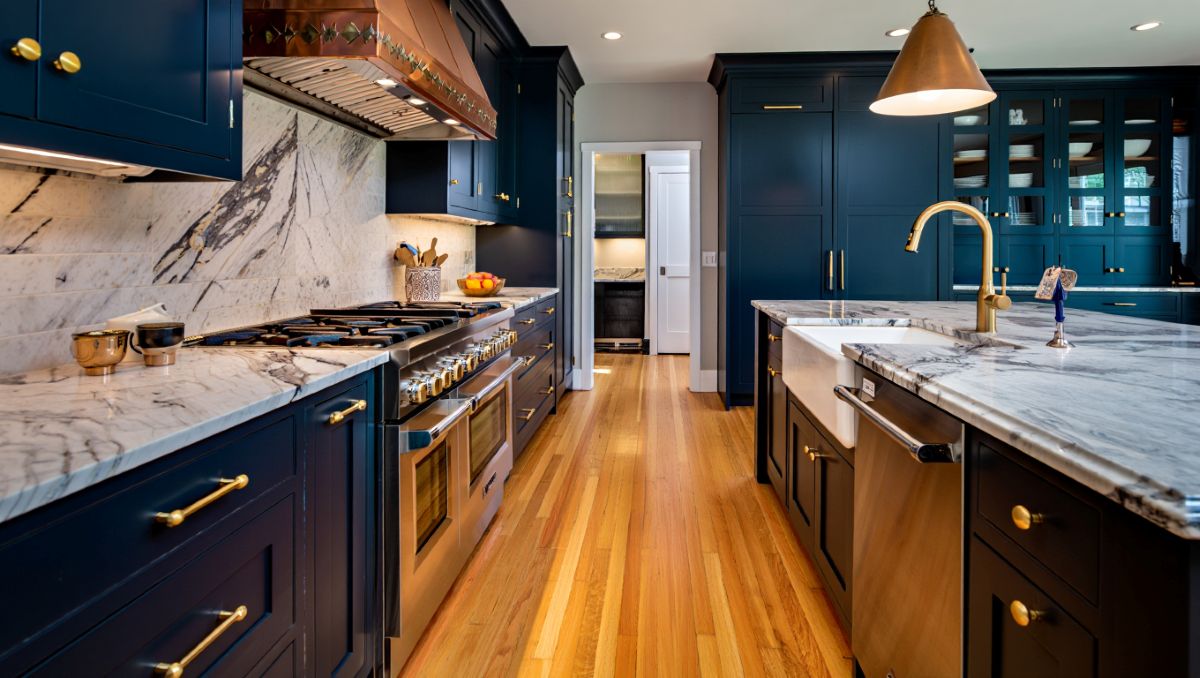
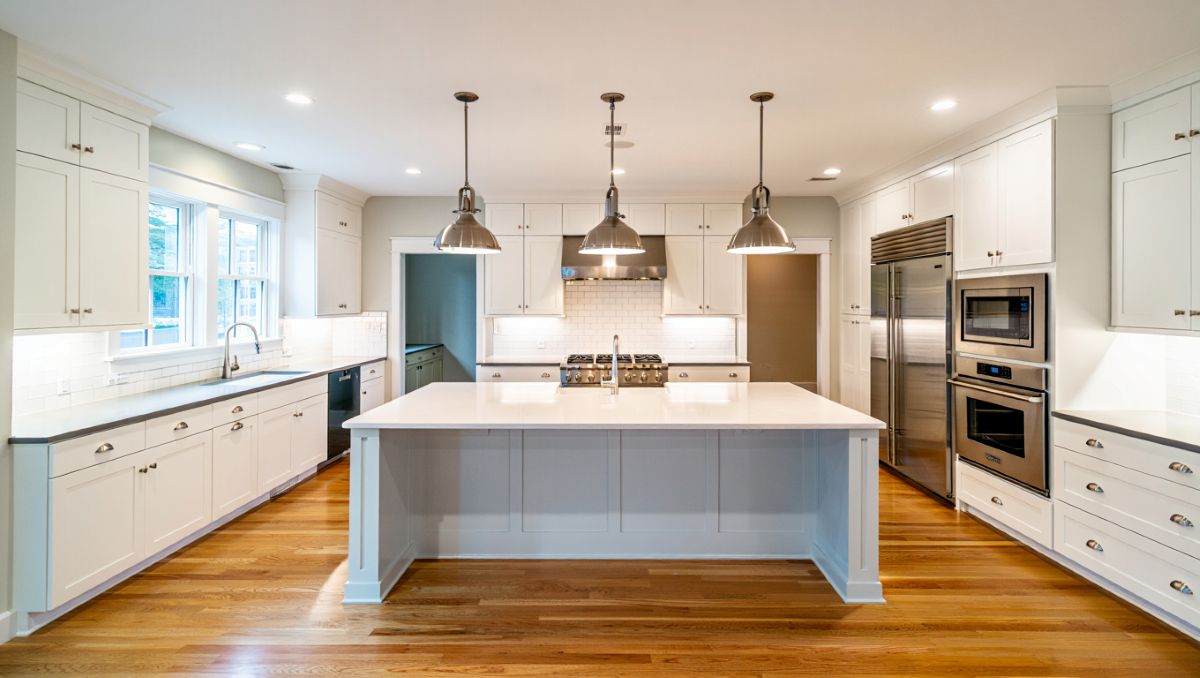
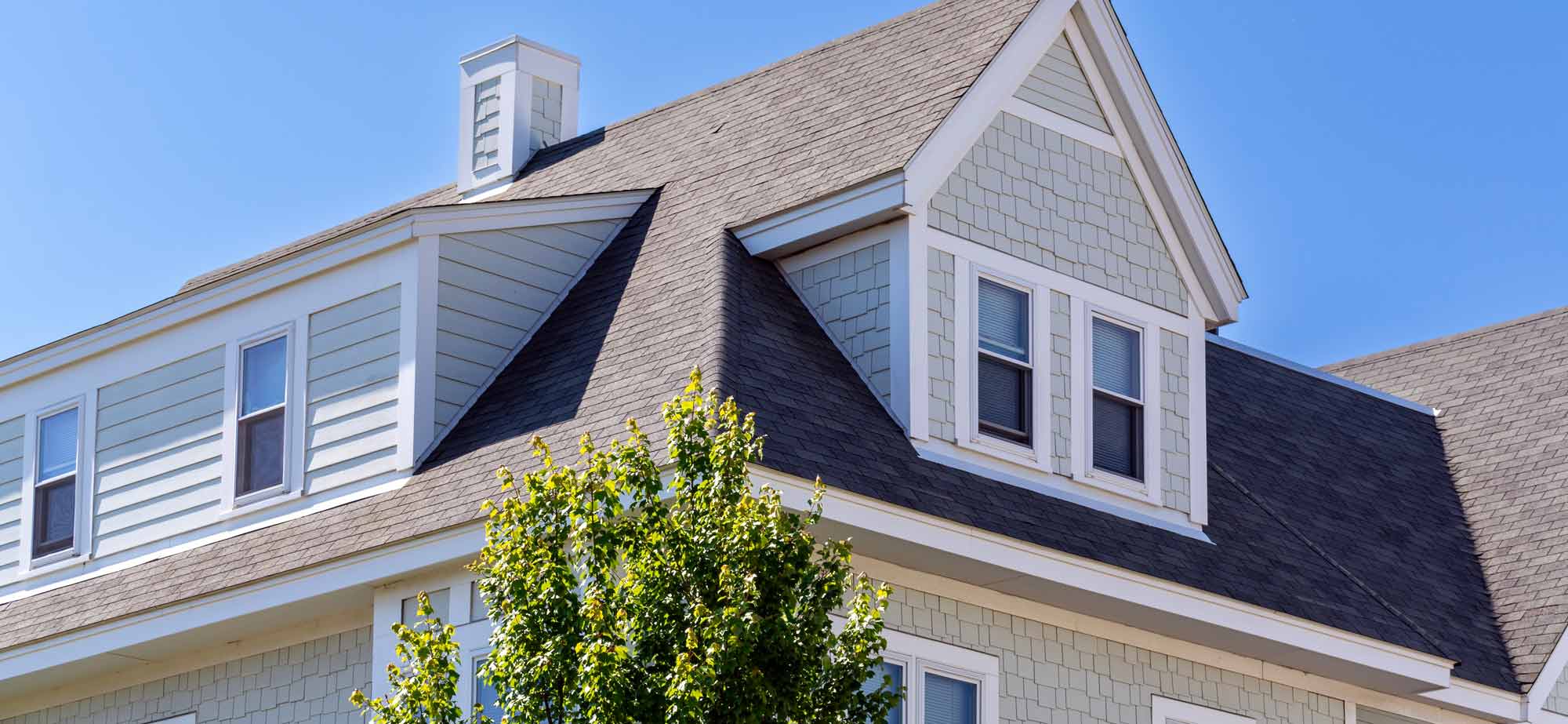
A kitchen remodel is one of the most exciting and technically complex upgrades you can make to your home. It is where structure, systems, and design intersect in a space that must perform flawlessly every day. Choosing the right kitchen remodel contractor is the single most important decision you will make during this process. The contractor you hire will influence everything from structural integrity and code compliance to workflow efficiency, material performance, and long-term durability. For homeowners who want their dream kitchen to be beautiful, safe, and engineered to last, understanding how to evaluate and select the right professional is essential.
Why the Right Kitchen Remodel Contractor Matters
A kitchen remodel is not just about cabinets and countertops. It often involves electrical load calculations, plumbing reroutes, ventilation design, structural modifications, and detailed sequencing of trades. A qualified contractor understands how these systems work together and how to execute them with precision. When the wrong contractor is chosen, homeowners may face issues such as failed inspections, poor airflow, uneven surfaces, water damage, or premature wear of materials.
The right contractor approaches your kitchen as a system, not a collection of finishes. This mindset ensures that every design choice is supported by sound construction practices and that the finished space performs as well as it looks.
Understanding the Scope of a Kitchen Remodel
Before hiring a contractor, it is important to understand what a kitchen remodel can involve from an engineering and construction standpoint. A professional kitchen remodel contractor will typically manage the following components:
Structural changes such as removing or modifying walls
Electrical upgrades for appliances, lighting, and outlets
Plumbing adjustments for sinks, dishwashers, and gas lines
Ventilation and HVAC considerations
Cabinetry installation with proper load support
Countertop fabrication and installation
Flooring transitions and subfloor preparation
Code compliance and permitting
Each of these elements must be carefully coordinated. An experienced contractor plans the sequence of work to avoid conflicts and costly rework while ensuring safety and efficiency at every stage.
Design Build Versus Traditional Contracting
One of the first decisions you will encounter is whether to work with a design-build contractor or a traditional contractor. A design-build firm handles both the design and construction phases under one roof. This approach offers several technical advantages.
With design-build, engineers, designers, and builders collaborate from the beginning. This reduces the risk of designs that look good on paper but are difficult or expensive to build. It also allows for early identification of structural or mechanical constraints and more accurate budgeting.
Traditional contracting often separates design and construction. While this can work in some cases, it may lead to miscommunication, change orders, and delays if the design does not fully account for existing conditions.
For homeowners seeking a streamlined and technically sound process, a design-build kitchen remodel contractor is often the preferred choice.
Key Qualifications to Look For
Not all contractors are equally equipped to handle the complexity of a kitchen remodel. When evaluating potential contractors, focus on qualifications that demonstrate technical competence and reliability.
Important qualifications include:
Proper licensing and insurance
Proven experience with kitchen remodels specifically
Knowledge of local building codes and permitting processes
Established relationships with skilled subcontractors
A portfolio of completed projects with a similar scope
Clear and detailed proposals
Ask questions about how the contractor approaches structural changes, manages electrical loads, and ensures proper ventilation. A knowledgeable contractor will be comfortable discussing these topics in detail.
The Importance of Planning and Pre-Construction Analysis
A successful kitchen remodel begins long before demolition starts. The planning phase is where engineering principles play a critical role. A professional contractor conducts a thorough evaluation of your existing kitchen, including measurements, structural assessment, and system capacity.
During this phase, the contractor should:
Verify wall types and load-bearing elements
Assess electrical panel capacity and circuit requirements
Evaluate plumbing layout and water pressure
Review ventilation options and duct routing
Identify potential conflicts or constraints
This analysis allows the contractor to develop a realistic plan that minimizes surprises during construction. It also ensures that design decisions are grounded in what is structurally and mechanically feasible.
Materials and Performance Considerations
An engineer-focused contractor looks beyond aesthetics when recommending materials. The kitchen is a high-stress environment with heat, moisture, and frequent use. Material selection should account for performance characteristics such as durability, thermal resistance, and ease of maintenance.
Examples of performance-driven considerations include:
Cabinet construction methods and load ratings
Countertop material resistance to heat and impact
Flooring slip resistance and moisture tolerance
Proper backing and fastening for heavy fixtures
Sealants and finishes appropriate for kitchen conditions
A knowledgeable contractor explains why certain materials are recommended and how they contribute to the longevity and safety of your kitchen.
Communication and Project Management
Clear communication is a technical requirement as much as a personal one. A kitchen remodel involves many moving parts, and miscommunication can lead to errors and delays. The right contractor establishes structured communication channels and provides regular updates.
Effective project management includes:
Detailed project schedules
Clear documentation of changes
Coordination of trades and inspections
Quality control checkpoints
Transparent budgeting and invoicing
Ask potential contractors how they track progress and handle unexpected issues. A systematic approach indicates a higher level of professionalism and engineering discipline.
Budgeting With Accuracy and Transparency
Kitchen remodel costs can vary widely depending on scope and materials. A professional contractor provides a detailed estimate that breaks down costs by category. This level of detail helps homeowners understand where their investment is going and allows for informed decisions.
An accurate budget should account for:
Labor and subcontractor costs
Materials and fixtures
Permits and inspections
Contingencies for unforeseen conditions
Project management overhead
Be cautious of estimates that seem unusually low. In many cases, these omit critical components or underestimate labor, leading to cost overruns later.
Safety and Code Compliance
Safety is a non-negotiable aspect of any remodel. Kitchens involve electrical systems, gas lines, and heavy components, all of which must meet strict codes. The right contractor prioritizes safety for both workers and occupants.
Key safety and compliance practices include:
Pulling required permits
Scheduling inspections at appropriate stages
Using proper protective equipment
Following manufacturer installation guidelines
Ensuring all work meets or exceeds code requirements
A contractor who cuts corners on permits or inspections puts your home and investment at risk.
Evaluating Past Work and References
One of the most reliable ways to assess a contractor is by reviewing past projects and speaking with previous clients. Look for kitchens that demonstrate attention to detail, clean installations, and thoughtful layouts.
When checking references, ask questions such as:
Was the project completed on schedule
How were issues handled when they arose
Was communication clear and consistent
Has the kitchen performed well over time
Consistent positive feedback is a strong indicator of a contractor who delivers both technical quality and customer satisfaction.
Long-Term Value and Warranty Support
A kitchen remodel is a long-term investment. The right contractor stands behind their work with warranties and ongoing support. This reflects confidence in their craftsmanship and materials.
Ask about:
Workmanship warranties
Manufacturer warranties on products
Post-project support and follow-up
Maintenance recommendations
A contractor who plans for the long term is more likely to build with durability and performance in mind.
Choosing a Contractor Who Aligns with Your Values
Beyond technical skills, it is important to work with a contractor whose values align with yours. Home remodeling is a personal process that affects your daily life. A family-focused company understands the importance of minimizing disruption and creating a space that supports how you live.
A contractor who listens, respects your home, and prioritizes your comfort contributes significantly to a positive remodeling experience.
Why Evergreen Home Exteriors Is a Trusted Choice
Evergreen Home Exteriors has been serving homeowners since 1998 with a commitment to quality, integrity, and family-first values. Established more than 20 years ago by founders Jon and Anne Marie, Evergreen understands that a home is more than a structure. It is where life happens.
As a full-service home renovation business, Evergreen specializes in all phases of home remodeling with a design-build approach that integrates planning, engineering, and craftsmanship. Our team focuses on creating safe, comforting, and inspiring spaces that improve both the function and quality of life for families.
With decades of experience and a dedication to doing things the right way, Evergreen Home Exteriors brings the expertise needed to turn complex remodeling projects into successful outcomes.
Start Building Your Dream Kitchen Today
Hiring the right kitchen remodel contractor is the foundation of a successful renovation. By choosing a professional who values engineering principles, clear communication, and long-term performance, you protect your investment and ensure your dream kitchen delivers for years to come.
If you are ready to get started on your kitchen remodel, contact us today. Our experienced team is ready to help bring your remodeling dreams to life with thoughtful design, precise execution, and a family-first approach. Schedule your consultation and take the first step toward a kitchen built for how you live.
A kitchen remodel is one of the most rewarding home improvement projects you can take on, but it is also one of the most financially complex. Cabinets, countertops, appliances, plumbing, electrical work, and finishes all add up quickly. Many homeowners delay or downsize their plans because they are unsure how to pay for it responsibly. Understanding how to finance a kitchen remodel is just as important as choosing the right layout or materials, because a well-planned budget keeps the project efficient, stress-free, and aligned with your long term financial goals. With the right strategy and a practical, engineering-minded approach, you can transform your kitchen without putting unnecessary strain on your household finances.
Start With a Clear Scope and Cost Breakdown
Before looking at financing options, you need a clear understanding of what you are building. From an engineering perspective, cost control starts with defining the scope. Vague goals lead to budget creep, while precise specifications lead to predictable outcomes.
Begin by identifying the functional goals of your kitchen remodel. Are you improving workflow, adding storage, upgrading outdated systems, or increasing resale value? Each objective affects cost differently.
A thorough cost breakdown typically includes:
Design and planning fees
Demolition and disposal
Structural changes if walls are moved
Electrical and plumbing upgrades
Cabinets and hardware
Countertops and backsplash
Flooring
Appliances
Labor and project management
Permit fees and inspections
Contingency buffer for unforeseen issues
From a technical standpoint, a contingency of 10 to 15 percent is not optional. Older homes, especially, may reveal hidden issues once demolition begins. Planning for these variables prevents financing shortfalls mid-project.
Set a Realistic Budget Using Data, Not Emotion
Many homeowners budget based on inspirational photos or national averages without accounting for local labor rates or the condition of their existing kitchen. A more reliable method is to use real data from professional estimates and align it with your financial capacity.
Engineers rely on constraints to guide decisions, and your budget should function the same way. Establish a maximum project cost that does not compromise your emergency savings or monthly cash flow. Then work backward to prioritize features that deliver the most functional value per dollar.
For example:
Soft-close cabinets may improve longevity and usability
Improved lighting design increases efficiency and safety
Upgrading electrical capacity supports modern appliances and future needs
When your budget is grounded in function and durability, financing becomes a tool rather than a risk.
Pay With Cash When Possible and Strategic
Paying with cash is the simplest financing method and eliminates interest costs entirely. However, draining savings for a remodel can create financial vulnerability. The key is to use cash strategically rather than emotionally.
Cash may be best applied to:
Design and planning fees
Early project phases, such as demolition
Portions of the project that do not qualify for financing
From a risk management perspective, it is wise to maintain an emergency fund equal to three to six months of expenses, even after paying for part of the remodel in cash. If using cash means eliminating that buffer, a financing option may actually be the safer choice.
Consider Home Equity Loans and HELOCs
Home equity-based financing is one of the most popular and cost-effective ways to fund a kitchen remodel. These options leverage the value you have already built in your home.
A home equity loan provides a lump sum with a fixed interest rate and predictable monthly payments. This is ideal if your project cost is well defined and you prefer payment stability.
A home equity line of credit, often called a HELOC, functions more like a credit card with a revolving balance. You draw funds as needed and pay interest only on what you use.
Key engineering style considerations include:
Interest rates are typically lower than unsecured loans
Interest may be tax-deductible depending on current tax laws
Your home is used as collateral, increasing risk if payments are missed
HELOC rates are often variable, introducing long-term uncertainty
If your remodel involves phased work or potential design changes, a HELOC offers flexibility. If your design is finalized and fixed, a home equity loan provides predictability.
Explore Contractor Financing Programs
Many full-service remodeling companies offer financing options through trusted lending partners. These programs are designed specifically for home improvement projects and often streamline approval and payment.
Advantages of contractor financing include:
Faster approval compared to traditional bank loans
Bundled project and financing coordination
Promotional offers such as deferred interest periods
Single point of accountability for budget and scope
From a systems integration perspective, contractor financing reduces friction between design, construction, and payment. This can significantly reduce delays and change orders caused by funding gaps.
Always review interest rates, repayment terms, and penalties carefully. Deferred interest plans can be useful, but only if the balance is paid off within the promotional window.
Use Personal Loans for Smaller or Partial Remodels
Personal loans are unsecured loans that can be used for nearly any purpose. They are typically faster to obtain but carry higher interest rates than home equity options.
Personal loans may be appropriate if:
Your remodel is modest in scope
You lack sufficient home equity
You want to avoid using your home as collateral
You need quick access to funds
From a cost efficiency standpoint, personal loans should be used for shorter repayment periods. Long-term financing at high interest rates reduces the overall value of the remodel.
Leverage Credit Cards Carefully and Intentionally
Credit cards are not ideal for financing an entire kitchen remodel, but they can be useful tools when used with precision.
Potential strategic uses include:
Purchasing appliances with cash back or reward points
Covering short-term expenses with a zero percent introductory APR
Managing small overruns while awaiting loan disbursement
Engineers manage risk by limiting exposure. The same principle applies here. Never carry large balances on high-interest cards without a clear payoff plan. Always track utilization to avoid credit score impacts.
Phase the Remodel to Reduce Financial Load
If budget constraints are tight, phasing the remodel can make the project more manageable. This approach spreads costs over time and allows you to finance smaller portions sequentially.
Common phasing strategies include:
Structural and system upgrades first
Cabinets and countertops second
Appliances and finishes last
From a construction sequencing standpoint, this method requires careful planning to avoid rework. A design-build firm can help ensure that early phases are compatible with later upgrades.
Factor in Return on Investment and Long-Term Value
A kitchen remodel is not just an expense. It is an investment in functionality, energy efficiency, and home value. According to industry data, kitchens often deliver one of the highest returns on investment among remodeling projects.
Engineering-focused improvements that increase value include:
Energy-efficient appliances
Improved insulation and ventilation
Durable materials with long service life
Modern electrical and plumbing systems
When evaluating financing options, consider how long you plan to stay in the home. If the remodel improves resale value or reduces operating costs, financing at a reasonable interest rate may be justified.
Avoid Common Financing Mistakes
Many remodeling budgets fail not because of cost, but because of planning errors. Avoid these common pitfalls to keep your project financially sound.
Mistakes to avoid:
Underestimating total project cost
Ignoring permit and inspection fees
Choosing financing without understanding variable rates
Overextending monthly payment obligations
Failing to include a contingency reserve
A disciplined approach to financing mirrors good engineering practice. Anticipate failure points, plan redundancies, and verify assumptions before execution.
Work With a Design Build Partner Who Understands Budget Engineering
One of the most effective ways to control financing is to work with a full-service remodeling company that integrates design, construction, and budgeting from the start. This reduces miscommunication and aligns the project with real-world constraints.
A design-build team evaluates:
Structural feasibility
Material performance
Installation complexity
Long-term maintenance costs
Budget impact of design decisions
When these variables are considered together, financing becomes predictable rather than reactive.
Partner with Us Today
Learning how to finance a kitchen remodel does not require sacrificing quality or peace of mind. It requires a methodical approach that balances cash flow, risk, and long-term value. By defining scope clearly, selecting the right financing tools, and working with experienced professionals, you can achieve a high-performing kitchen that supports your lifestyle without breaking the bank.
If you are ready to take the next step, Evergreen Home Exteriors is here to help. Established more than 20 years ago by founders Jon and Anne Marie, Evergreen has always been a family-first company. Since 1998, Evergreen has specialized in all phases of home remodeling, offering full-service design-build solutions focused on quality, safety, and long-term value. Our experienced team understands the technical and financial aspects of remodeling and will help guide your project from concept to completion with clarity and care. Contact us to get started on your kitchen remodeling project today and turn your vision into a space your family will enjoy for years to come.
A kitchen remodel is one of the most exciting upgrades you can make to your home, but it is also one of the most technically complex and financially significant. From structural considerations and mechanical systems to cabinetry tolerances and appliance loads, a kitchen renovation is a true engineering project inside your home. The good news is that kitchen remodel financing makes it possible to move forward without putting your entire savings on hold. With the right plan, you can design a kitchen that is safer, more efficient, and better suited to how your family lives today, while spreading costs in a responsible and strategic way.
At Evergreen Home Exteriors, we believe smart financing is part of smart design. Since 1998, our family-first, engineer-minded approach to remodeling has helped homeowners turn big ideas into well-executed projects that improve comfort, performance, and long-term value. Below, we break down the most common kitchen remodel financing options, how they work, and how to choose the right kitchen remodel financing to meet your financial goals.
Why Financing a Kitchen Remodel Makes Sense
A modern kitchen remodel involves far more than surface-level changes. Electrical upgrades, plumbing reroutes, structural modifications, ventilation improvements, and code compliance all factor into the final scope. Financing allows homeowners to:
Complete the project correctly the first time instead of cutting corners
Invest in durable materials and efficient systems with longer lifespans
Preserve cash reserves for emergencies or other priorities
Align monthly payments with the long-term value added to the home
From an engineering perspective, phased or underfunded remodels often lead to inefficiencies, rework, or future failures. Financing supports a holistic design-build approach where all systems work together.
Home Equity Loans for Kitchen Remodels
A home equity loan is one of the most popular ways to fund a kitchen remodel, especially for homeowners with significant equity. This option provides a lump sum that is repaid over a fixed term with a fixed interest rate.
How It Works
Home equity loans are secured by the value of your home. The amount you can borrow is based on the difference between your home’s market value and your remaining mortgage balance.
Pros
Predictable monthly payments
Typically lower interest rates than unsecured loans
Suitable for large, well-defined remodel budgets
Cons
Requires sufficient home equity
Uses your home as collateral
Less flexible if project scope changes mid-build
This option works well for engineered kitchen remodels with a clear plan, finalized drawings, and a fixed construction timeline.
Home Equity Lines of Credit (HELOCs)
A HELOC offers more flexibility than a home equity loan and is often favored for remodels that may evolve as walls are opened and systems are evaluated.
How It Works
A HELOC functions like a credit line secured by your home. You can draw funds as needed during the draw period and only pay interest on what you use.
Pros
Flexible access to funds
Lower initial payments during the draw phase
Ideal for phased or design-build projects
Cons
Variable interest rates
Requires strong financial discipline
Risk of rising payments over time
From an engineering standpoint, HELOCs are useful when unforeseen structural or mechanical updates arise during demolition and inspection.
Cash-Out Refinancing
Cash-out refinancing replaces your existing mortgage with a new, larger loan and gives you the difference in cash to use for your remodel.
How It Works
You refinance your mortgage at current rates, take out additional funds, and roll the remodel cost into your monthly mortgage payment.
Pros
Often lower interest rates than other financing options
Single monthly payment
Can improve long-term financial efficiency
Cons
Closing costs can be significant
Extends mortgage term
Depends on favorable market rates
This option is best when interest rates are competitive, and the kitchen remodel is part of a broader home improvement strategy.
Contractor Financing Programs
Many full-service remodelers offer in-house or partnered financing solutions designed specifically for renovation projects.
How It Works
Contractor financing is typically arranged through third-party lenders and may include promotional periods, deferred payments, or streamlined approval processes.
Pros
Convenient and fast approval
Designed around remodeling timelines
Often minimal upfront costs
Cons
Higher interest rates after promotional periods
Less flexibility compared to traditional loans
Requires careful review of terms
For homeowners who value speed and simplicity, contractor financing can keep the project moving without delays in material ordering or labor scheduling.
Personal Loans for Kitchen Remodeling
Personal loans are unsecured and do not require home equity, making them accessible to a wider range of homeowners.
Pros
Fast funding
No collateral required
Simple application process
Cons
Higher interest rates
Shorter repayment terms
Lower borrowing limits
Personal loans are better suited for partial kitchen updates, appliance upgrades, or supplemental funding rather than full-scale remodels involving structural work.
Credit Cards for Limited Remodel Costs
Credit cards can play a role in kitchen remodel financing, but they should be used carefully and strategically.
Best Uses
Appliances
Fixtures
Short-term expenses paid off quickly
Risks
High interest rates
Easy to overspend
Not suitable for large construction costs
From a technical planning perspective, credit cards should never be the primary funding source for system-level kitchen upgrades.
Government Loans and Specialized Programs
Some homeowners may qualify for government-backed or specialized financing programs.
Examples
FHA Title I home improvement loans
Energy efficiency financing for upgraded appliances or lighting
Local or state renovation assistance programs
These programs can be beneficial for kitchens that include energy-saving systems, improved ventilation, or accessibility upgrades.
Choosing the Right Financing Option
Selecting the right kitchen remodel financing option requires balancing financial structure with project engineering. Consider the following factors:
Total project cost including contingencies
Length of time you plan to stay in the home
Stability of interest rates
Flexibility needed during construction
Impact on long-term home value
A well-designed kitchen remodel is an investment in daily function, safety, and efficiency. Financing should support those goals rather than restrict them.
Why a Design-Build Partner Matters
Financing decisions are easier and more effective when paired with a design-build contractor who understands both construction engineering and budget planning. Since 1998, Evergreen Home Exteriors has specialized in all phases of home remodeling, offering homeowners a single, coordinated team from concept to completion.
As a family-first company founded by Jon and Anne Marie more than 20 years ago, Evergreen understands that a kitchen is more than a workspace. It is a hub for family life, connection, and comfort. Our full-service approach ensures that design choices, material selections, and construction methods align with your financing strategy and long-term goals.
Making Your Kitchen Upgrade Possible
A kitchen remodel does not have to be delayed by upfront costs. With thoughtful planning and the right kitchen remodel financing option, you can move forward confidently, knowing your project is engineered for durability, efficiency, and everyday enjoyment. Financing allows you to focus on doing the job right, upgrading critical systems, and creating a kitchen that truly supports how your family lives.
If you are ready to explore your kitchen remodeling options with a team that values craftsmanship, engineering precision, and family-focused service, now is the time to get started. Contact us today to schedule your consultation and take the first step toward a safer, more inspiring kitchen designed to last.
When it comes to protecting your home, few elements are as critical as the roof over your head. It’s your first line of defense against the elements, a major contributor to energy efficiency, and a significant factor in your home’s curb appeal. That’s why professional roofers are not just a convenience—they’re a necessity.
Roofing is not the kind of job you want to leave to chance. Cutting corners or hiring an inexperienced contractor can lead to costly mistakes, safety hazards, and long-term headaches. Whether you’re replacing an old roof, repairing storm damage, or building from the ground up, choosing the right roofer is one of the most important decisions you’ll make for your home.
The Real Value of Hiring Professional Roofers
1. Safety First
Roofing is inherently dangerous. Every year, thousands of accidents occur due to falls, electrical hazards, or mishandling equipment. Professional roofers are trained to work at heights, use safety harnesses and scaffolding, and follow Occupational Safety and Health Administration (OSHA) guidelines.
Not only does this protect them, but it also protects you from liability. Reputable contractors carry insurance that shields homeowners from legal and financial risks in case of accidents or property damage. Hiring a pro isn’t just safer—it’s smarter.
2. Experience Means Everything
Even a roof that looks “simple” on the surface can hide complexities beneath. A seasoned roofer understands the architectural structure of your home, the right materials for your climate, and how to install or repair a roof so it lasts for decades.
They’ve seen everything—curled shingles, sagging structures, flashing failures, poor ventilation—and they know how to fix it right the first time. That level of experience is something a DIY enthusiast or fly-by-night contractor simply can’t replicate.
3. Better Materials, Better Results
Professional roofing contractors have access to top-tier materials, often through trusted manufacturer partnerships. This not only ensures higher quality but also gives you more choices in terms of aesthetics, durability, and energy efficiency.
Even better, many of these materials come with extended warranties—available only when installed by certified professionals. That alone can save you thousands in future repairs or replacements.
4. Time is Money
Attempting a roofing project yourself—or hiring someone without a solid track record—often leads to delays, mistakes, or do-overs. What should take a few days could stretch into weeks of frustration.
Professional roofers have efficient crews, proper tools, and a refined process honed over years. They’ll get the job done on time, within budget, and with minimal disruption to your life. That means less stress, fewer surprises, and faster peace of mind.
Warning Signs of Unprofessional Roofers
If you’re investing thousands of dollars in a roofing project, you deserve a contractor who takes the job—and your home—seriously. Here are a few red flags to watch out for when vetting a potential roofer:
Lack of licensing or insurance: This is a dealbreaker. Always ask to see credentials.
No written contract or vague estimates: Professional roofers provide clear, detailed proposals outlining materials, labor, and timelines.
High-pressure sales tactics: If someone’s pushing you to sign today, or the price goes up,” walk away.
Poor online reviews or no references: Reputable contractors stand behind their work and have a trail of satisfied customers to prove it.
Door-to-door soliciting after a storm: Storm chasers are infamous for subpar work and disappearing after they’re paid.
What to Look For in a Professional Roofer
1. Local Reputation
Start your search close to home. A local roofing company understands your climate, permitting process, and regional building codes. Plus, they have a vested interest in maintaining a good reputation in your community.
Ask friends, neighbors, and coworkers for referrals. Check online reviews, browse the company’s website, and visit recent job sites if possible.
2. Comprehensive Services
Roofing is rarely just about shingles. A great contractor also evaluates ventilation, insulation, water drainage, and even attic health. They look at your home as a system—not just a surface.
Choose a company that offers a full spectrum of services and can identify related issues before they become costly problems.
3. Clear Communication
From the first consultation to the final inspection, communication is key. A trustworthy contractor will answer your questions, explain your options, and walk you through the process so you’re never in the dark.
Look for a team that values transparency and treats you with respect. If they don’t return your calls or ignore your concerns now, imagine what it’ll be like once the contract is signed.
4. Strong Warranties
Reputable roofers stand behind their work. Look for both manufacturer warranties (on materials) and workmanship warranties (on labor). Make sure these are provided in writing and clarify what’s covered and for how long.
Why Evergreen Home Exteriors Stands Out
At Evergreen Home Exteriors, we’ve spent more than two decades proving that professionalism, integrity, and family values belong at the heart of every roofing project.
A Legacy of Trust Since 1998
Founded by Jon and Anne Marie over 20 years ago, Evergreen Home Exteriors began with a simple mission: to treat every home like it was our own. That philosophy still drives us today. We know that a roof isn’t just a structure—it’s a shield for the people you love most.
Whether we’re installing new roofing, repairing storm damage, or improving your ventilation and insulation, we approach every project with precision, care, and respect.
Full-Service Expertise
Evergreen Home Exteriors isn’t just a roofing company—we’re a full-service home renovation team. That means we look at your roof as part of a larger whole: your home’s energy efficiency, structural integrity, and overall beauty.
We collaborate with in-house designers and engineers to offer seamless remodeling services that work in harmony with your home’s unique design. From siding and windows to decks and bathrooms, we’ve got your back.
Transparent Process
From the moment you reach out to us, you’ll notice the difference. Our process is straightforward, collaborative, and engineered to keep you informed every step of the way.
Initial Consultation: We assess your needs, budget, and style preferences.
Detailed Proposal: You receive a clearly itemized estimate with no hidden fees.
Scheduling & Execution: We respect your time and home, with clean worksites and timely delivery.
Post-Project Support: We walk you through the finished work, answer any questions, and provide all warranty documentation.
Highly Trained Crews
Our crews are trained, certified, and committed to craftsmanship. We invest in ongoing training and equipment to ensure the highest standards of safety and quality. And because we don’t subcontract critical work, you always know who’s on your roof—and why they’re qualified to be there.
How to Get Started with Confidence
1. Book a Free Estimate
Schedule a no-pressure consultation. We’ll assess your roof’s condition, listen to your goals, and provide a tailored proposal that fits your needs.
2. Ask Questions—We Welcome Them
We believe informed clients are the best clients. Ask us about materials, timelines, warranties, and financing. We’ll give you honest, straightforward answers—no fluff, no pushy sales talk.
3. Explore Our Gallery
Want to see what a difference professional roofers can make? Browse our online gallery of recent projects. You’ll find real homes, real clients, and real results.
4. Join the Evergreen Home Exteriors Family
When you choose Evergreen, you’re not just hiring a roofer—you’re partnering with a family-run company that puts your safety, comfort, and satisfaction first. Our repeat clients and glowing testimonials are proof that we go above and beyond.
Don’t Settle for Less Than a Pro
Your roof is too important to leave to chance. Hiring professional roofers isn’t just about getting the job done—it’s about getting it done right. With safety, quality, communication, and integrity on the line, choosing a trusted contractor is the best investment you can make for your home.
If you’re ready to stop worrying and start building something beautiful, Evergreen Home Exteriors is here to help. With decades of experience, a full-service team, and a family-first philosophy, we’re ready to make your home stronger, safer, and more inspiring than ever.
Ready to Get Started?
Contact us today and experience the peace of mind that comes from working with true professionals. Whether you’re ready for a new roof or just exploring your options, we’d love to be part of your journey.
When it comes to protecting your most valuable investment—your home—few systems are as critical as your roof. Whether you’re dealing with aging shingles, storm damage, or a complete remodel, a professional residential roofing service is essential to ensuring your roof not only looks great but performs reliably for decades to come.
What Is a Residential Roofing Service?
A residential roofing service encompasses everything from roofing inspections and minor repairs to full-scale roof replacement and installation. These services are specifically tailored for single-family homes and small residential buildings.
At Evergreen Home Exteriors, we understand that every home has unique architectural features, material preferences, and environmental conditions to account for. That’s why our roofing projects are built on a foundation of precision, communication, and care—because this is more than just a roof. It’s your shelter, your sanctuary, and a long-term investment.
What’s Typically Included in Residential Roofing Services?
Residential roofing isn’t just about nailing down shingles. It’s a multi-step process that requires coordination, structural understanding, and professional-grade tools and materials. Below is a breakdown of the key services typically included.
1. Roof Inspection and Assessment
Before any work begins, a thorough roof inspection is essential. Contractors will assess:
Age and condition of materials
Ventilation systems
Flashing and water barriers
Signs of leaks or moisture damage
Structural integrity of the decking
This diagnostic phase helps determine if you need minor repairs or a full replacement. At Evergreen Home Exteriors, we use modern tools like drone imaging and moisture scanners to provide precise, data-backed recommendations.
2. Estimate and Proposal
After inspection, your contractor will provide a detailed written estimate. It should include:
Material and labor costs
Estimated timeline
Permit needs
Cleanup provisions
Warranty terms
This is your chance to ask questions, compare material options (e.g., asphalt, metal, composite), and align your budget with your long-term goals.
3. Tear-Off and Debris Removal
If a full replacement is required, the first physical step is tearing off the existing roofing material down to the decking. This part of the process is noisy and messy, but essential for a long-lasting new roof. Your contractor should remove all debris and dispose of it in a roll-off dumpster.
4. Deck Repair or Replacement
Once the roof is stripped, any damage to the underlying wood decking is repaired. This is a critical stage—failure to fix rotted or warped decking can compromise the integrity of your new roof.
5. Installation of Underlayment and Flashing
Next comes the underlayment, typically a water-resistant or waterproof barrier that protects your home from rain and ice. Flashing (thin metal strips) is installed in roof valleys, around chimneys, vents, and edges to direct water away from vulnerable seams.
6. Shingle or Roofing Material Installation
This is the part most homeowners see—the installation of shingles, tiles, or metal panels. Installers follow manufacturer specifications and use techniques like staggered seams, double nailing, and ridge cap placement to ensure durability and weather resistance.
7. Ventilation Upgrades
A healthy roof needs to breathe. Good ventilation reduces attic heat, minimizes moisture buildup, and prolongs the life of your shingles. If your existing system is outdated, new ridge vents, soffit vents, or attic fans may be added.
8. Final Cleanup and Haul-Away
The final step includes:
Sweeping your yard with a magnet to collect nails
Hauling away dumpsters
Cleaning gutters
Inspecting the installation
When done right, your property should look as clean as it did before—except with a beautiful, brand-new roof overhead.
Optional Add-ons You Might Consider
Depending on your goals and budget, there are a few optional services that might be offered:
Gutter replacement – Especially if your gutters are old or damaged
Solar panel prep – Reinforcing roof areas for future solar panel installation
Skylight installation or removal
Attic insulation upgrades for energy efficiency
How to Prepare Your Home for Roofing Services
Now that you know what’s included, let’s focus on preparation. Getting your home ready will reduce stress, prevent damage, and ensure the crew can work efficiently.
1. Move Outdoor Furniture and Vehicles
Clear your driveway and move any furniture or grills away from the house. This gives the crew space to unload materials, set up ladders, and place debris dumpsters.
Park vehicles on the street if possible
Move patio furniture to a safe zone
Remove hanging plants or decorations
2. Protect Indoor Spaces
Roofing can cause vibrations that rattle walls and ceilings. Protect your belongings by:
Taking down wall art or fragile items
Covering attic storage with tarps
Securing valuables in case of debris falling through roof decking (rare, but possible)
3. Inform Your Neighbors
A heads-up to your neighbors is always appreciated. Roofing is noisy and may block part of the road or sidewalk temporarily. Letting them know in advance fosters goodwill and minimizes complaints.
4. Plan for Noise
Roofing work is loud—expect banging, hammering, and material delivery trucks. If you work from home, consider using a coworking space or scheduling meetings away from the house during installation days.
5. Secure Pets and Children
For safety reasons:
Keep pets indoors or at a boarding facility
Supervise children closely
Communicate with the crew about any hazards like loose pets or gates
6. Label and Cover Sensitive Landscaping
If you have delicate plants or garden beds, let your contractor know. They may install temporary protective barriers or tarps to minimize damage. Consider trimming trees or shrubs near the roofline in advance.
Why Hiring the Right Roofing Contractor Matters
Residential roofing isn’t a DIY project. The combination of safety risks, structural complexity, and material expertise required means it’s a job for trained professionals.
When evaluating contractors, ask about:
Licensing and insurance
Material certifications (e.g., GAF Master Elite, Owens Corning Preferred)
Warranty coverage
Crew training and experience
Customer testimonials or references
At Evergreen Home Exteriors, we bring over two decades of hands-on experience and family-first values to every roofing job. We don’t cut corners—we build them right.
Roofing Materials: What Are Your Options?
Choosing a roofing material is a big decision that affects not only aesthetics but also durability, maintenance, and long-term cost. Here’s a quick breakdown of the most popular choices:
Asphalt Shingles
Pros: Affordable, widely available, many color options
Cons: Shorter lifespan (15–30 years), prone to moss in damp climates
Metal Roofing
Pros: Long lifespan (40–70 years), fire-resistant, energy-efficient
Cons: Higher upfront cost, potential noise in rain
Composite Roofing
Pros: Mimics wood or slate, lightweight, long-lasting
Cons: Costlier than asphalt, requires skilled installation
Clay or Concrete Tiles
Pros: Stylish, fireproof, long life
Cons: Heavy, may require structural reinforcement
We’ll help you choose the material that fits your home’s architecture, your budget, and your climate zone.
Roofing Timeline: What to Expect
The average roof replacement takes 1 to 3 days, depending on size, weather, and complexity. Here’s a general timeline:
Day
Task
1
Tear-off and decking repair
2
Underlayment, flashing, and shingle installation
3
Ventilation, final details, and cleanup
Weather delays are always a possibility, but experienced teams like Evergreen’s build in flexibility and prioritize clear communication.
Long-Term Maintenance Tips
After your new roof is installed, proper care can help extend its lifespan:
Inspect annually for signs of damage or wear
Clean gutters regularly to prevent water pooling
Trim overhanging trees
Schedule professional checkups after major storms
Don’t ignore small problems like missing shingles or flashing gaps—these can lead to major (and expensive) issues down the line.
Trust Evergreen Home Exteriors with Your Roofing Project
Your roof is more than shingles—it’s a shield for everything and everyone inside your home. At Evergreen Home Exteriors, we take that responsibility seriously. Founded by Jon and Anne Marie more than 20 years ago, our company has grown into a trusted, full-service remodeling partner for families across the region.
Our mission is simple: provide professional, detail-oriented craftsmanship that protects and enhances your home while putting your family’s needs first.
When you work with us, you get:
A family-first approach
Transparent pricing and timelines
Skilled, respectful crews
A beautiful, lasting roof backed by warranty
Ready to Start Your Roofing Project?
Let’s elevate your home with expert roofing services built on care, craftsmanship, and integrity. Whether you need a minor repair, a full replacement, or a complete exterior remodel, Evergreen Home Exteriors is here to help every step of the way.