

Best Roofing Materials for Every Climate: How to Choose What’s Right for You
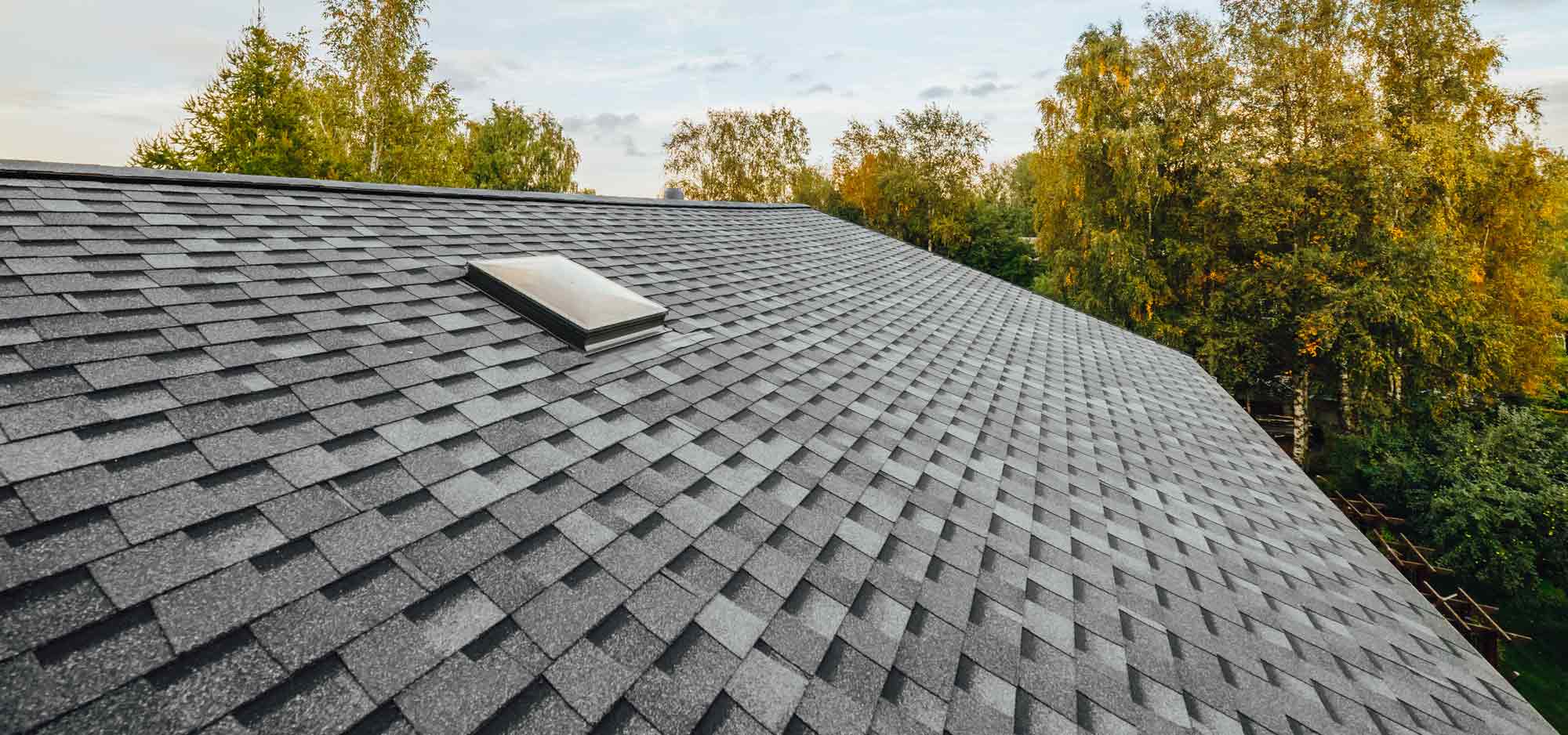
Choosing the best roofing materials isn’t just about aesthetics or curb appeal—it’s about engineering a resilient, energy-efficient, and long-lasting roof that performs well in your unique environment. Whether you live in the snow-heavy Pacific Northwest, the sun-drenched Southwest, or the hurricane-prone Southeast, selecting the right roofing solution is critical to protect your home and your investment.
Let’s explore how climate impacts your roofing choices and which materials make the most sense for where you live.
Why Climate Should Dictate Your Roofing Material Choice
Roofs aren’t a one-size-fits-all solution. The ideal material for a home in rainy Washington State might fail miserably in Arizona’s relentless heat or Florida’s humidity. Key climate-related considerations include:
- Temperature extremes (both hot and cold)
- Precipitation (rain, snow, ice)
- Humidity and mold risk
- Wind and storm exposure
- UV radiation levels
Understanding how roofing materials behave under different environmental pressures allows you to make a data-informed, long-lasting choice. Let’s break down the top materials and which climates they suit best.
Asphalt Shingles: The All-Around Performer
Best for: Moderate climates with mixed weather patterns
Asphalt shingles are the most widely used roofing material in the U.S.—and for good reason. They’re affordable, lightweight, and relatively easy to install or replace. Available in a variety of styles and colors, they also offer decent fire resistance and UV protection.
However, while asphalt shingles can handle a range of climates, they’re not the most durable choice for regions with extreme temperatures or high wind speeds. Expect a lifespan of about 15–30 years, depending on product quality and local weather conditions.
Pros:
- Cost-effective
- Easy to repair
- Available everywhere
- Decent durability in mild climates
Cons:
- Susceptible to algae in humid regions
- Not ideal for high heat or severe cold
- May tear in extreme winds
Metal Roofing: Durable, Modern, and Eco-Friendly
Best for: Hot climates, wildfire zones, and snow-heavy regions
Metal roofing—including aluminum, steel, and copper—is engineered to reflect sunlight, withstand hail, and shed snow with ease. Thanks to its interlocking panels, metal roofs are also highly wind-resistant, making them a favorite in hurricane-prone areas.
With a lifespan of 40–70 years and a modern aesthetic, metal roofs are a favorite among engineers and architects alike.
Pros:
- Extremely durable and long-lasting
- Reflects solar heat, reducing cooling costs
- Lightweight, reducing structural stress
- Resistant to fire, mildew, insects, and rot
Cons:
- Higher upfront cost
- Can be noisy in heavy rain or hail without proper insulation
- Requires professional installation for best results
Clay and Concrete Tiles: Mediterranean Flair with Thermal Mass Benefits
Best for: Hot, dry climates (e.g., Southwest)
If you live in the desert Southwest or other arid, sunbaked regions, clay and concrete tiles might be your best bet. These materials are known for their longevity, thermal mass (which helps regulate indoor temperatures), and resistance to fire and rot.
Clay tiles can last over 100 years in ideal conditions, while concrete tiles typically last 40–50 years. Their heavyweight construction also resists wind uplift—an important factor in open, dry areas with gusty winds.
Pros:
- Superior durability
- Excellent for heat insulation
- Resistant to fire and insects
- Distinctive look that adds architectural value
Cons:
- Very heavy—may require roof reinforcement
- Expensive
- Brittle under impact (e.g., hail or falling branches)
Slate Roofing: Timeless Strength and Elegance
Best for: Cold, wet climates and historic homes
Slate roofing is often considered the gold standard for durability and beauty. Quarried from natural stone, slate tiles can last 75–200 years with minimal maintenance. Their low water absorption makes them perfect for regions with heavy rain or snow.
However, like clay tiles, slate is heavy and requires a structurally sound roofing system. It’s also among the most expensive options, making it better suited to luxury homes or architectural preservation projects.
Pros:
- Exceptionally long lifespan
- Fire-resistant and waterproof
- Withstands freeze-thaw cycles
- Adds value to historic or high-end homes
Cons:
- Expensive and labor-intensive installation
- Very heavy
- Requires specialized installation expertise
Wood Shakes and Shingles: Rustic Appeal and Breathability
Best for: Dry, moderate climates
Wood shakes and shingles, typically made from cedar or redwood, offer a natural, rustic look and excellent insulation properties. They allow a roof to “breathe,” which can be beneficial in areas with moderate rainfall and low humidity.
However, wood is naturally combustible and susceptible to mold, insects, and rot—unless treated. It’s not suitable for wildfire-prone regions unless it has a Class A fire rating.
Pros:
- Natural, attractive appearance
- Good insulation value
- Can last 30+ years with proper care
Cons:
- High maintenance (cleaning, staining, treating)
- Poor fire resistance unless treated
- Vulnerable to decay in humid or rainy climates
Synthetic Roofing: High Performance with Less Maintenance
Best for: Variable climates, coastal zones, or modern builds
Synthetic or composite roofing materials mimic natural ones like slate, wood, or tile but are engineered for higher durability, lower weight, and easier installation. Made from polymers, rubber, or recycled materials, they often include UV inhibitors and moisture resistance.
This material is gaining popularity among homeowners looking for a balance between performance, appearance, and cost.
Pros:
- Lightweight and durable
- Customizable design and color
- More affordable than natural stone or clay
- Resistant to fire, mold, and wind
Cons:
- Not all products are created equal—quality varies by brand
- May lack the prestige of natural alternatives
Green Roofs and Solar Shingles: Eco-Conscious Options
Best for: Urban climates, flat roofs, and sustainable homes
For those seeking energy efficiency and eco-friendliness, green roofs (rooftop gardens) and solar shingles are cutting-edge options. Green roofs offer insulation and stormwater management, while solar shingles help power your home and reduce your carbon footprint.
While the upfront investment is higher, the long-term return in energy savings and sustainability may be worth it.
Pros:
- Eco-friendly and energy-efficient
- Reduces heat island effect
- May qualify for tax credits or incentives
Cons:
- Expensive initial setup
- Requires structural engineering
- Maintenance needs vary by system
Region-by-Region Recommendations
To make your decision even easier, here’s a quick guide to roofing materials by climate:
Pacific Northwest (Wet, Cool, Occasional Snow)
- Best options: Metal roofing, asphalt shingles, slate
- Why: Durability in moisture, good water shedding, mold resistance
Southwest (Hot, Arid, Intense Sun)
- Best options: Clay/concrete tile, metal roofing
- Why: Heat resistance, long lifespan, aesthetic alignment with desert architecture
Southeast (Hot, Humid, Hurricane-Prone)
- Best options: Metal roofing, synthetic/composite
- Why: Wind resistance, mold resistance, fire protection
Northeast (Cold Winters, Heavy Snow)
- Best options: Slate, metal, asphalt shingles
- Why: Snow shedding, freeze-thaw resilience
Midwest (Varied: Tornadoes, Snow, Rain)
- Best options: Asphalt shingles, metal, synthetic
- Why: Versatility, wind resistance, impact durability
Engineering Considerations Beyond Climate
Even after narrowing your options based on geography, there are still structural, financial, and aesthetic considerations to evaluate:
- Roof Pitch: Steep slopes work better with shingles and tiles, while flat or low-slope roofs may require membrane or green roofing systems.
- Structural Load: Heavy materials like slate and concrete require strong underlying framing.
- Local Codes & HOA Rules: Some communities restrict certain roofing types.
- Maintenance Commitment: How much upkeep are you willing to handle?
- Long-Term ROI: Consider how energy savings, durability, and resale value balance out initial costs.
An engineer or roofing specialist can help run these calculations and design constraints to help select the best long-term solution.
Installation Matters Just as Much as Material
Even the best roofing materials can underperform if installed poorly. Proper flashing, ventilation, underlayment, and sealing are all critical to prevent leaks, mold, and structural damage. That’s why choosing a trusted roofing contractor is just as important as picking the right material.
At Evergreen Home Exteriors, we’ve spent more than 20 years perfecting the art and science of roof installations across a variety of climates and home styles.
Why Choose Evergreen Home Exteriors for Your Roofing Project?
Since our founding in 1998 by Jon and Anne Marie, Evergreen Home Exteriors has remained a family-first business. We understand that your home isn’t just a building—it’s where your family makes memories, finds peace, and plans for the future.
Our roofing services are:
- Tailored to your climate and budget
- Installed by certified experts
- Backed by years of engineering experience
- Integrated with other renovation projects
Whether you’re dealing with storm damage, planning a complete remodel, or simply looking to boost curb appeal, we’ll help you select the best roofing material and deliver a flawless install from start to finish.
Get Started with Evergreen Home Exteriors Today
Ready to transform your home with the right roofing material for your climate?
- Schedule a free consultation
- Get expert guidance from our experienced design-build team
- Receive a personalized estimate with transparent pricing
- Relax knowing your project is in the hands of seasoned professionals
Contact us today and start planning a safer, more beautiful, and more efficient home. Let’s build something lasting—together.