

How Long Does a Roof Last in the Pacific Northwest?
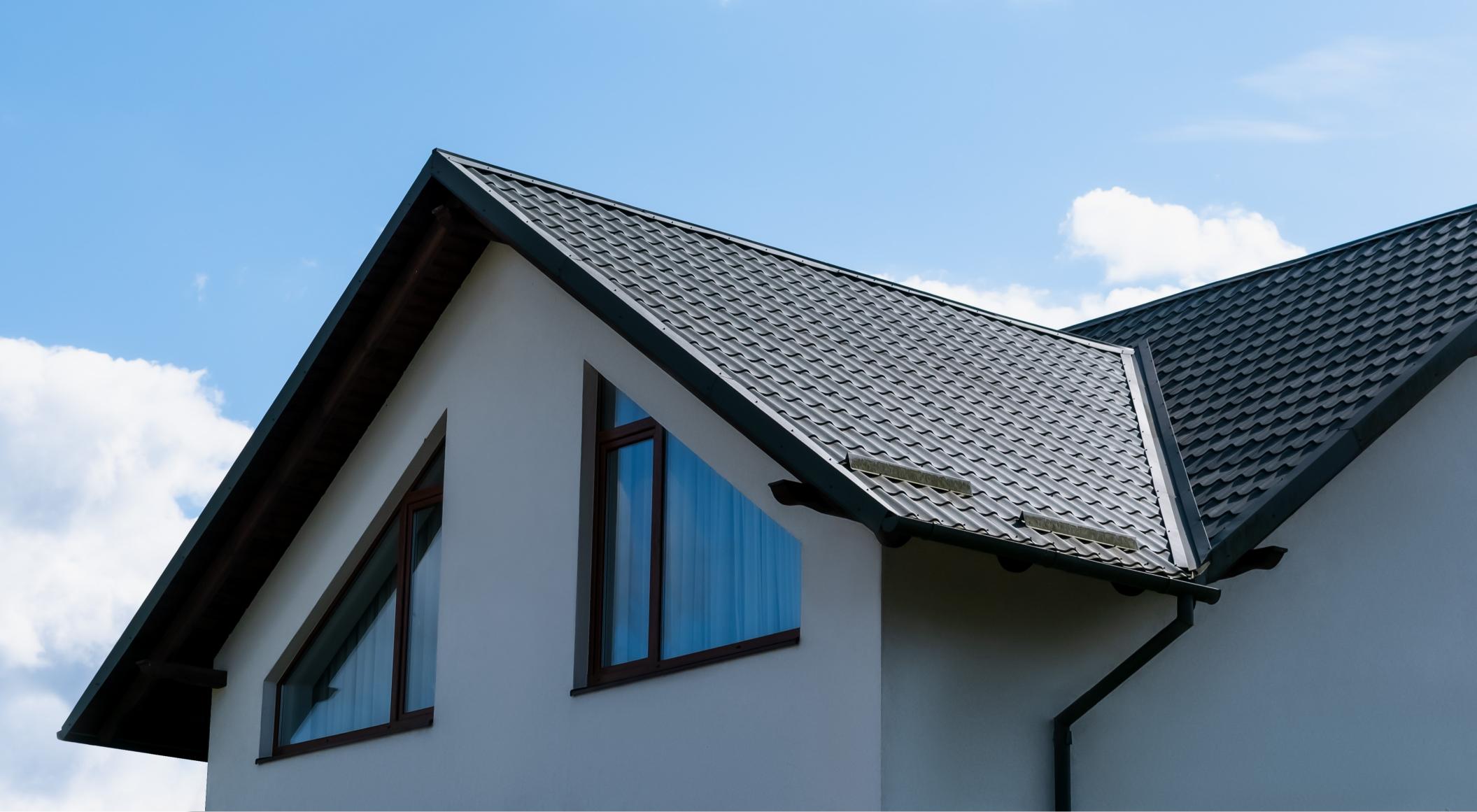
It’s a familiar Western Washington moment: you’re standing at the kitchen window on a grey January morning in Tacoma or Gig Harbor, watching the drizzle settle in for what feels like the fourth consecutive week, and you notice it: a creeping green fringe along the north-facing slope of your roof. The moss has been there a while, probably longer than you’ve been paying attention to it, and now you’re doing the math in your head. How old is that roof? When did the previous owners put it on? How much time is left?
Those are exactly the right questions to be asking, and the honest answer is more nuanced than any single number. A roof is a complete system: ventilation, underlayment, flashing, drainage, and the surface material all working together. In the Pacific Northwest’s persistently damp marine climate, every one of those components faces pressures that homeowners in drier regions simply don’t contend with. Understanding how long your roof can realistically last here means understanding what’s working against it.
Evaluating material lifespans, local climate forces, and key warning signs helps you plan before severe damage occurs.
Understanding roof lifespan in the PNW climate
National building standards give us a useful starting point. According to the International Building Code standards published by the ICC, typical non-ballasted roof coverings carry an estimated service life expectancy of approximately 30 years. That figure assumes reasonable installation quality and a climate that doesn’t push the roof assembly particularly hard. It’s a benchmark, not a promise, and Western Washington has a way of testing both assumptions. Climate changes everything.
Winters in Pierce, King, and Snohomish counties are not dramatically cold; they’re persistently wet and cool, which is a different kind of stress entirely. Moisture can sit on a roof surface for months at a stretch, and if the underlying ventilation or underlayment isn’t up to the task, that dampness works its way into the assembly long before you’d notice it from inside the house. Staying ahead of that process is what separates a roof that reaches its expected lifespan from one that doesn’t, which is why winter roof maintenance PNW practices carry more weight here than in most of the country.
Lifespan comparison by roofing material
The real answer to “how long does a roof last” depends almost entirely on what the roof is made of and how it was installed. A material that performs well in Phoenix or Atlanta may behave very differently on a home in Olympia or Bremerton. If you’re evaluating options for a replacement or trying to understand where your current roof sits in its lifecycle, the roofing material comparison guide covers the full range of options. Three primary material types dominate residential roofs in the region.
- Asphalt Shingles: Architectural shingles dominate Western Washington rooftops, and for good reason: they’re cost-effective and widely available. Their national lifespan estimates look reasonable on paper, but the relentless moisture and biological growth common here can shorten their practical service life meaningfully. What we’re seeing across Western Washington is that there is no verified regional figure to cite with confidence, but the pattern among local roofing professionals is consistent: moss-colonized asphalt roofs frequently show significant wear well before their manufacturer warranty period expires.
- Metal Roofing: Standing-seam metal is among the most durable options available, and its resistance to moisture makes it a strong candidate for this climate. Performance in coastal areas, however, depends heavily on installation quality and fastener selection, a point addressed in more detail in the section below.
- Cedar Shakes and Wood Shingles: Cedar has aesthetic appeal and a long history in the region, but it’s also the material most vulnerable to the PNW’s moisture patterns. When non-permeable underlayments trap moisture beneath the wood, temperature cycling drives that dampness into the shakes, causing curling, warping, and fastener corrosion, a failure mode documented in the International Building Code standards. Installation method matters more here than with any other material. Proper technique is essential.
Thinking about your roof’s remaining lifespan and not sure where to start? Evergreen Home Exteriors offers complimentary, low-pressure roof evaluations for homeowners across Pierce County, King County, Snohomish County, and surrounding areas. We assess shingles for moss, granule loss, and weathering, and we give you clear findings with honest recommendations: no sales pressure, no obligation. Call us at (253) 320-5383 to schedule.
Unique PNW climate factors that shorten roof life
[Inline Image]A moss-covered asphalt shingle roof on a home in Gig Harbor, Washington, surrounded by heavy evergreen trees. Overcast natural light, close-up composition showing green moss colonization spreading across the shingle surface, photorealistic style with muted greens and greys reflecting the Pacific Northwest winter palette.[/Inline Image]
The heavy evergreen canopy throughout Western Washington, combined with months of low-angle light and near-constant humidity, creates near-ideal conditions for moss colonization. Moss doesn’t just look bad; its root-like structures work into the granule layer of asphalt shingles and into the surface of wood shakes, gradually compromising the material’s ability to shed water.
The damage is qualitatively similar to leaving a wet towel rolled up in a closet: the visible surface may look intact while the real deterioration is happening out of sight, slowly, over years. By the time you notice curling edges or soft spots, the underlying damage is often already well advanced.
Coastal microclimates add another layer of complexity. Salt air degrades standard hardware. For homes within roughly 10 to 15 miles of the coast, Kitsap County, Island County, and waterfront areas of Pierce County, among them, airborne salt spray and dry salt particles accelerate the corrosion of standard fasteners, which can cause shingles and shakes to loosen or detach. Per the International Building Code standards, highly corrosion-resistant stainless steel Type 316 fasteners are required in these environments to prevent that failure mode.
Attic ventilation compounds all of this: proper intake and exhaust ventilation is required during roof replacement over vented attics, per the same standards, because inadequate airflow allows moisture to accumulate within the roof assembly itself, silently degrading the deck and underlayment even when the surface looks fine from the street.
If you’re concerned about attic moisture, poor ventilation, or underlayment condition, a detailed inspection can clarify exactly what’s happening inside your roof assembly. Evergreen Home Exteriors provides thorough, weather-resilient inspections across Western Washington. Visit our roof replacement and repair page to learn more or schedule a consultation.
Warning signs your PNW roof needs replacement
[Inline Image]Close-up of aging architectural shingles with significant granule loss and curling edges on a home in Tacoma, Washington. Natural overcast daylight, macro-style composition showing the texture detail of a deteriorated shingle surface with visible bare asphalt patches, photorealistic style.[/Inline Image]
Several warning signs are visible from the ground without ever getting on a ladder. Curling or cupping shingles indicate the material has lost its structural integrity and is no longer shedding water effectively. Bald patches where granules have worn away leave the asphalt substrate exposed to UV and moisture. A roofline that sags or dips in the middle suggests the decking beneath has absorbed enough moisture to begin failing structurally. Any of these, especially in combination, warrant a professional assessment rather than a wait-and-see approach. For a more complete picture of what to look for, the signs you need a new roof resource covers the full range of indicators.
The absence of an active indoor leak is not reassurance. Silent leaks happen. Structural rot, underlayment failure, and attic mold can develop over years without a single water stain appearing on your ceiling. Here’s why we recommend spacing wood shakes off the underlayment: using vertical spacers and horizontal nailers creates a chimney effect that drives moisture out of the assembly, keeps the deck cooler, and extends the roof’s functional life, a technique supported by the International Building Code standards. Roofs that lack this kind of system-level thinking tend to fail quietly, long before the homeowner expects it.
“The new siding installed by Evergreen didn’t just improve the look of our home; it insulated better and reduced our energy bills. When we sold our property, buyers were immediately drawn to the modern curb appeal and quality construction.” – Jason R. from Tacoma
Frequently asked questions
Is a 20-year-old roof considered old in the Pacific Northwest?
Yes, a 20-year-old roof is generally at or near the end of its practical lifespan in this climate. The combination of persistent moisture, moss exposure, and the cumulative wear from years of wet winters means that a roof of that age warrants a thorough professional inspection, not just a visual scan from the driveway. Checking for hidden signs of roof damage is especially important at this stage, since the most consequential problems are often the ones you can’t see from the ground.
Does a “30-year roof” last 30 years in Western Washington?
Not always. Warranties rarely reflect reality. The “30-year” designation is a manufacturer’s warranty term calibrated to ideal installation and exposure conditions, not to the specific demands of a damp marine climate. Western Washington’s persistent moisture, heavy moss growth, and the ventilation challenges common in older homes can all shorten actual service life considerably. Treating that number as a planning horizon rather than a guarantee is the more realistic approach.
Is $30,000 too much for a roof replacement in the Puget Sound region?
The cost of a roof replacement depends on the home’s size, roof pitch, complexity, and material choice. While $30,000 can be appropriate for premium materials or larger, more complex homes, the range for standard asphalt shingle replacements varies.
What is the best time of year to replace a roof in Washington?
Late spring and early autumn are generally the most favorable windows. Mild, dry conditions allow shingles to seal properly during installation, and contractors can work without the complications of heavy rain or the limited daylight of deep winter. That said, experienced crews work through Western Washington winters regularly. If your roof needs attention now, waiting for spring isn’t always the right call.
How often should a roof be replaced if it has cedar shakes versus asphalt shingles?
It depends significantly on how each was installed and maintained. Cedar shakes installed over non-permeable underlayments without proper spacing are prone to the moisture-trapping failure mode described in the International Building Code standards: premature curling, warping, and fastener corrosion. Proper vertical spacers and horizontal nailers that allow air movement can meaningfully extend their service life. Asphalt shingles, as a general guideline, typically require replacement every 20 to 25 years depending on moss exposure and ventilation quality.
Contact Us Today
Because of the Pacific Northwest climate, roofing decisions don’t reward procrastination. The climate here is patient: moisture and moss work slowly and quietly, and by the time the damage becomes obvious, the repair scope has usually grown. Addressing ventilation, material condition, and moss accumulation early keeps those problems manageable and keeps replacement on your timeline rather than the roof’s. A system that’s properly installed, correctly ventilated, and maintained through our wet winters stands a real chance of reaching or exceeding its expected lifespan. One that isn’t tends to give out on its own schedule.
Partnering with a local specialist who understands these specific conditions, not just roofing in the abstract, is the most reliable way to get an honest picture of where your roof stands.
If you’d like a clear, no-pressure assessment of your roof’s remaining lifespan, Evergreen Home Exteriors is here to help. We serve homeowners throughout Pierce County, King County, Snohomish County, Kitsap County, Tacoma, and the surrounding communities. Reach us at (253) 320-5383.