

What Is the Actual Roof Replacement Cost in Tacoma?
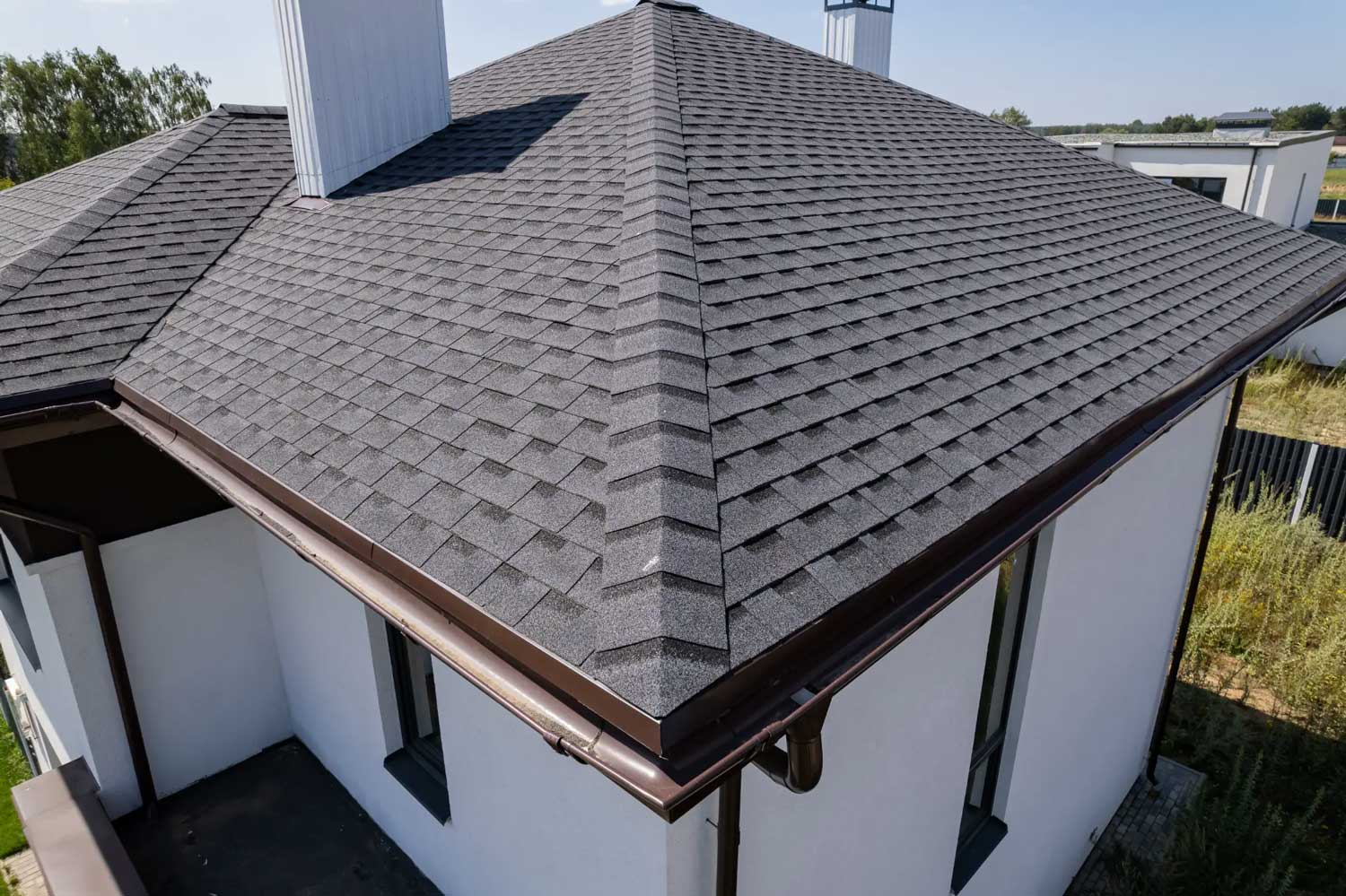
By the time October settles over the North End and the Proctor District, Tacoma’s signature drizzle has already been testing rooftops for weeks. It is rarely dramatic storm damage that pushes Pierce County homeowners toward a replacement decision; instead, it is the slow, relentless accumulation of moisture that works its way under aging shingles, into plywood decking, and eventually into living spaces. When that moment arrives, and you start searching for pricing, what you find online is usually a national average that has little bearing on what a project costs here. Those averages mislead.
A roof replacement in our Pacific Northwest climate is a moisture-management system installed over a structure that faces a marine environment. Our weather demands more. With constant rainfall, seasonal temperature swings, and biological growth like moss, algae, and lichen, materials degrade much faster here than in drier parts of the country.
Key Factors Driving Roof Replacement Costs in Pierce County
Local Labor and Material Dynamics
Pricing in the Puget Sound region reflects a construction labor market that runs tighter than the national average. Demand for skilled tradespeople across King, Pierce, and Snohomish counties keeps wages competitive, and that reality flows directly into what a roofing project costs in Tacoma compared to, say, a comparable home in the Midwest. Roofers in the Seattle-Tacoma-Bellevue metro earn a median wage of about $30.81 per hour, or $64,090 a year, based on Bureau of Labor Statistics data. That’s what the crew takes home, not what a contractor bills. Billed labor rates also cover insurance, L&I premiums, equipment, and overhead.
Roof geometry complicates the labor equation considerably. A simple gable roof on a single-story Craftsman bungalow in the South End moves faster than a steep-pitched hip roof with multiple valleys on a two-story home near Point Defiance. Every additional valley, penetration, or pitch change adds time, and time is where labor costs accumulate.
Material costs follow a similar regional logic. Freight distances, supplier relationships, and local code requirements all shape what contractors pay for materials before a single shingle is nailed down.
Moisture Management and System-Level Costs
In our Pacific Northwest climate, the underlayment and ventilation components of a roofing system are essential to ensure the structure performs for decades rather than failing within a few years. Contractors who cut costs by using minimum-spec underlayment or skipping proper ridge and soffit ventilation are essentially building a moisture trap into the structure.
Proper ventilation allows warm, humid air from the living space to escape before it condenses against the cold underside of the roof deck. Without it, that moisture cycles through the wood repeatedly, accelerating rot and inviting mold. If you’re already weighing whether your current roof has reached the end of its service life, the guide on roof replacement in Tacoma walks through the diagnostic indicators worth examining before committing to a project timeline.
Comparing Roofing Materials and Long-Term Value
Asphalt Shingles vs. Metal Roofing
Material selection shapes both the upfront cost and the long-term maintenance picture in ways that are worth thinking through carefully. In the Pacific Northwest, the damp climate creates conditions where moss and algae colonize roofing surfaces faster than in arid regions. Premium architectural shingles with algae-resistant granule coatings slow that process meaningfully. Standing seam metal roofing takes a different approach entirely: its smooth, interlocked surface gives biological growth almost nowhere to establish.
Beyond maintenance, material choice affects resale value and energy performance. These factors matter. A well-installed metal roof reflects more solar energy during the occasional Tacoma heat stretch and carries a lifespan that outlasts most asphalt products by a significant margin, which matters when buyers are weighing long-term ownership costs.
Material Breakdown and Lifespan Realities
Both primary material categories have distinct trade-offs worth mapping out before getting into estimates:
- GAF® Architectural Shingles: A highly durable, cost-effective option engineered to handle heavy wind and sustained rain. Their dimensional profile adds visual depth, and they’re widely available through local distributors, which keeps lead times manageable.
- Standing Seam Metal Roofs: A premium alternative where concealed fasteners and continuous panel runs eliminate the penetration points that tend to fail first on exposed-fastener systems. Water and debris shed cleanly, which matters on the steeper pitches common in older Tacoma neighborhoods.
- Lifespan comparison between GAF® architectural shingles and standing seam metal under sustained Pacific Northwest weather conditions represents a current research gap: verified regional performance data for this specific climate zone was not available, and fabricating a number here would not serve a homeowner making a real financial decision.
- The more useful frame is total cost of ownership: a material that costs more upfront but requires fewer repairs and carries a longer warranty cycle can be the more economical choice over a 20- to 30-year horizon, particularly in a climate that tests roofing systems year-round.
Schedule Your Free Tacoma Roofing Consultation
A system-level inspection covers more than shingle condition. We look deeper. At Evergreen Home Exteriors, our evaluation includes ventilation adequacy, flashing integrity at chimneys and wall transitions, and drainage performance at valleys and gutters, which are the components that tend to drive premature failure when they are overlooked. To schedule a detailed assessment, contact Evergreen Home Exteriors, and a member of our team will walk through the full picture with you before any work is proposed.
Navigating Tacoma’s Building Codes and Permits
Local Building Standards and Compliance
Permit compliance on a residential reroofing project in Tacoma is the mechanism that ensures the work is inspected against current structural and safety standards. A roof installed without the required permit creates a title obstacle that surfaces during resale and can complicate insurance claims after a weather event.
The specific City of Tacoma building code requirements regarding ice and water shield installation and roof ventilation standards represent a current research gap: verified code language for these requirements was not available, and the applicable standards should be confirmed directly with the City of Tacoma’s permit office or through a licensed local contractor familiar with current municipal requirements.
Working with a licensed contractor matters here precisely because permit filings, inspection scheduling, and code compliance are part of what a professional crew manages on your behalf. It saves you stress.
The Necessity of a Complete Roofing System
A useful way to think about attic ventilation is the rain jacket analogy: the best performance gear is breathable enough to let body heat escape but sealed tightly enough that rain never penetrates. A roofing system works the same way. The shingles handle the exterior weather load, but the underlayment and ventilation assembly manage the moisture that originates inside the home. When one layer is compromised, the others compensate until they can’t.
Poor ventilation traps heat against the underside of the roof deck in summer and traps moisture-laden air in winter. Over time, that cycling degrades the structural sheathing from the inside, often without any visible exterior indicator until the damage is substantial. The roofing service guide covers what a complete system evaluation should include and what to ask a contractor before work begins.
Plan Your Project with Our Step-by-Step Guide
Preparation makes a measurable difference in how smoothly a replacement project runs, from scheduling around Tacoma’s weather windows to coordinating material deliveries and permit timelines. The roof replacement process guide walks through each phase in detail so homeowners know what to expect before the crew arrives.
Understanding Permitting and Hidden Cost Escalators
Pierce County Permitting Fees
Municipal permits for residential reroofing projects exist to ensure the work is inspected and formally approved before the project closes out. Skipping this step doesn’t reduce costs; it postpones them to a point where the consequences are harder to manage. A standard residential reroof permit in Tacoma typically runs about $145 to $480. Projects involving structural changes run higher, roughly $240 to $770. A licensed contractor handles the filing process, tracks inspection scheduling, and ensures the project record is clean when the work is complete.
Uncovering Hidden Structural Damage
Tear-off is where a project’s true scope becomes visible. Once the old shingles and underlayment are stripped back, the condition of the plywood decking tells the real story. In Tacoma homes with older rooflines, it’s not unusual to find sections of sheathing that have been cycling through wet-dry conditions for years, sometimes from a slow leak that was never fully traced, or from debris accumulation in a valley that held moisture against the wood.
Rotted or delaminated decking has to be replaced before new materials go down. There’s no honest way to frame this as optional. Addressing it at the time of replacement is significantly less expensive than dealing with the structural consequences of enclosing compromised sheathing under a new roof. A thorough initial inspection reduces the likelihood of mid-project surprises, though in older housing stock, some degree of discovery work is a realistic expectation.
What Our Tacoma Neighbors Say
Evergreen’s work extends across exterior renovation projects throughout Pierce County, and the feedback from local homeowners reflects the same priorities: quality installation, tangible performance improvement, and results that hold up over time. One Tacoma homeowner shared this after a recent project:
“The new siding installed by Evergreen didn’t just improve the look of our home; it insulated better and reduced our energy bills. When we sold our property, buyers were immediately drawn to the modern curb appeal and quality construction.” – Jason R. from Tacoma
Frequently Asked Questions About Tacoma Roofing
How do I know if I need a full roof replacement or just a repair?
A repair makes sense when damage is limited, such as a handful of missing shingles after a wind event, a single flashing failure at a chimney, or a localized leak with a clear point of origin. When the issues are distributed across multiple areas of the roof, when granule loss is extensive, or when moss coverage has progressed to the point of lifting shingle edges, the math usually favors replacement over repeated repair cycles.
From inside the attic, daylight penetration, water staining on the sheathing, and soft spots in the decking are more reliable indicators than a ground-level visual inspection. If you’re working through this assessment, the article on signs you need a new roof covers the less obvious indicators worth checking before making a final call.
What is the average cost range for a standard residential roof replacement in Tacoma?
Statewide averages run about $7,100 for a 1,000-square-foot single-story home, $8,600 for 1,500 square feet, $8,700 for a two-story 2,000-square-foot home, $9,800 at 2,500 square feet, and $11,300 at 3,000 square feet. Tacoma typically runs above those statewide numbers. One 2026 local estimate puts a roughly 2,243-square-foot home at $14,701 to $19,890, or about $10,500 to $14,200 for asphalt shingles.
What are the typical labor rates for roofing professionals in Pierce County?
Skilled roofers in the Tacoma area earn roughly $31 to $35 per hour on average, and contractor billing rates run higher once insurance and overhead are factored in. Skilled labor costs more than unlicensed crews for reasons that matter beyond the project itself: manufacturer warranties on premium shingles typically require installation by a certified contractor, and installation errors that void those warranties tend to surface during the weather events when you most need the coverage. Cutting labor costs at the front end of a project frequently creates higher costs at the back end.
How does Tacoma’s rainfall affect the installation timeline?
Tacoma’s precipitation pattern means scheduling a roof replacement requires genuine attention to weather windows rather than just calendar availability. Verified average annual rainfall and precipitation day counts for Tacoma were not available in the sources reviewed for this article, so a specific figure isn’t cited here, but any experienced local crew plans around the forecast as a matter of routine.
Tear-off and installation are sequenced to minimize the window during which the structure is exposed. Temporary weatherproofing measures cover the decking if a weather delay interrupts the work mid-project. Proper planning, rather than rushing to beat a deadline, is what keeps the home dry through the process. Dryness is key.
Are there local workforce indicators that affect roofing availability?
Pierce County tracks workforce indicators related to local employment patterns, though the Pierce County Open Data Portal notes that the specific metric calculations and methodological data for its workforce indicator are not currently available. What that means practically is that contractor availability in the Tacoma market can shift with broader construction demand across the region, and that demand tends to spike in spring and early summer as homeowners respond to winter damage assessments.
Choosing a well-established local contractor with an existing crew and supplier relationships reduces exposure to that seasonal availability crunch. Early planning, which means getting an inspection and estimate before the busy season rather than during it, gives homeowners more flexibility on scheduling and, in some cases, material lead times.
Roof replacement decisions are rarely made quickly, and they shouldn’t be. The homes in Tacoma’s established neighborhoods carry decades of weather history in their framing, and a replacement project done well accounts for that history rather than ignoring it. Evergreen Home Exteriors has been working on home renovations in Tacoma as a family-owned operation with a practical, planning-first approach: the kind of work where the goal is a roof that performs correctly for the next 20 to 30 years, not just one that passes a visual inspection on completion day. To talk through your project, reach the team at 11507 Steele St S or call (253) 320-5383.
Get Your Detailed Tacoma Roofing Estimate
A detailed estimate starts with a system-level inspection: not just a simple shingle count, but a thorough evaluation of attic ventilation, chimney flashing, plywood decking, and valley drainage. We inspect everything. Evergreen Home Exteriors provides roof replacement and repair services across Pierce County with the kind of clarity that makes budgeting for a major project manageable. Schedule your inspection and get a detailed, site-specific estimate before committing to any scope of work. Know your options.