

How Much Does It Cost to Remodel a Bathroom?
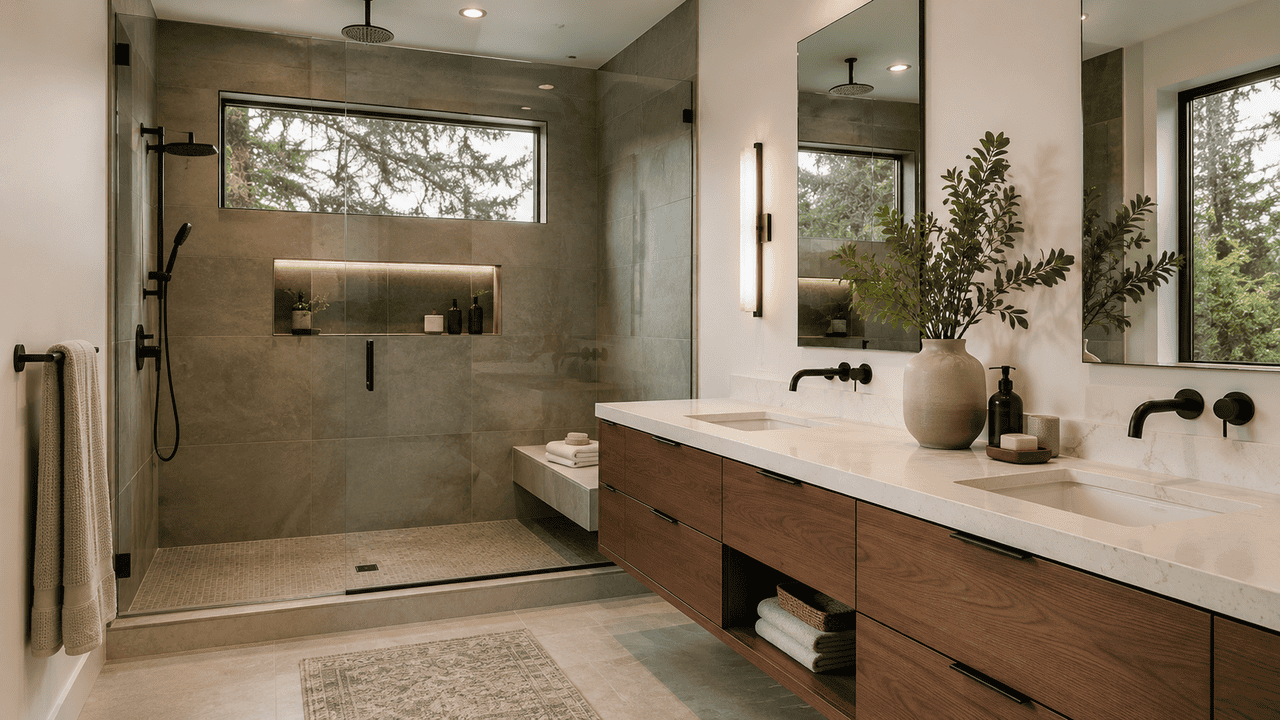
If you are asking, “How much does it cost to remodel a bathroom?” the honest answer is that it depends on scope, layout, materials, existing conditions, and the contractor’s process. A simple surface refresh may cost a few thousand dollars, while a full bathroom remodel with new plumbing, waterproofing, tile, fixtures, lighting, ventilation, and custom finish details can move well into five figures. For many homeowners, the most useful way to think about bathroom remodeling cost is not as one fixed number, but as a system of choices that either keep the project simple or increase complexity.
At Evergreen Home Exteriors, we look at bathroom remodeling through a planning-first lens. That means we care about the sequence of work, the quality of the hidden layers, and how each decision affects performance over time. A bathroom is one of the hardest-working rooms in the house. It has moisture, heat, ventilation demands, plumbing, electrical components, tight clearances, and daily use. When the project is planned well, the finished space looks better, lasts longer, and creates fewer surprises during construction.
Typical Bathroom Remodel Cost Ranges
Bathroom remodel pricing can vary widely, but most projects fall into a few general categories. These ranges are not a substitute for a contractor’s estimate, but they can help you understand what kind of project you may be planning.
A basic bathroom refresh may include items like paint, a new vanity, an updated faucet, a new mirror, improved lighting, and simple fixture swaps. This type of project usually keeps the layout intact and avoids major plumbing, electrical, or tile work.
A mid-range bathroom remodel often includes a new vanity, countertop, sink, faucet, toilet, flooring, lighting, ventilation improvements, tub or shower updates, and new finishes. This is where planning becomes especially important because multiple trades may be involved, and the order of operations matters.
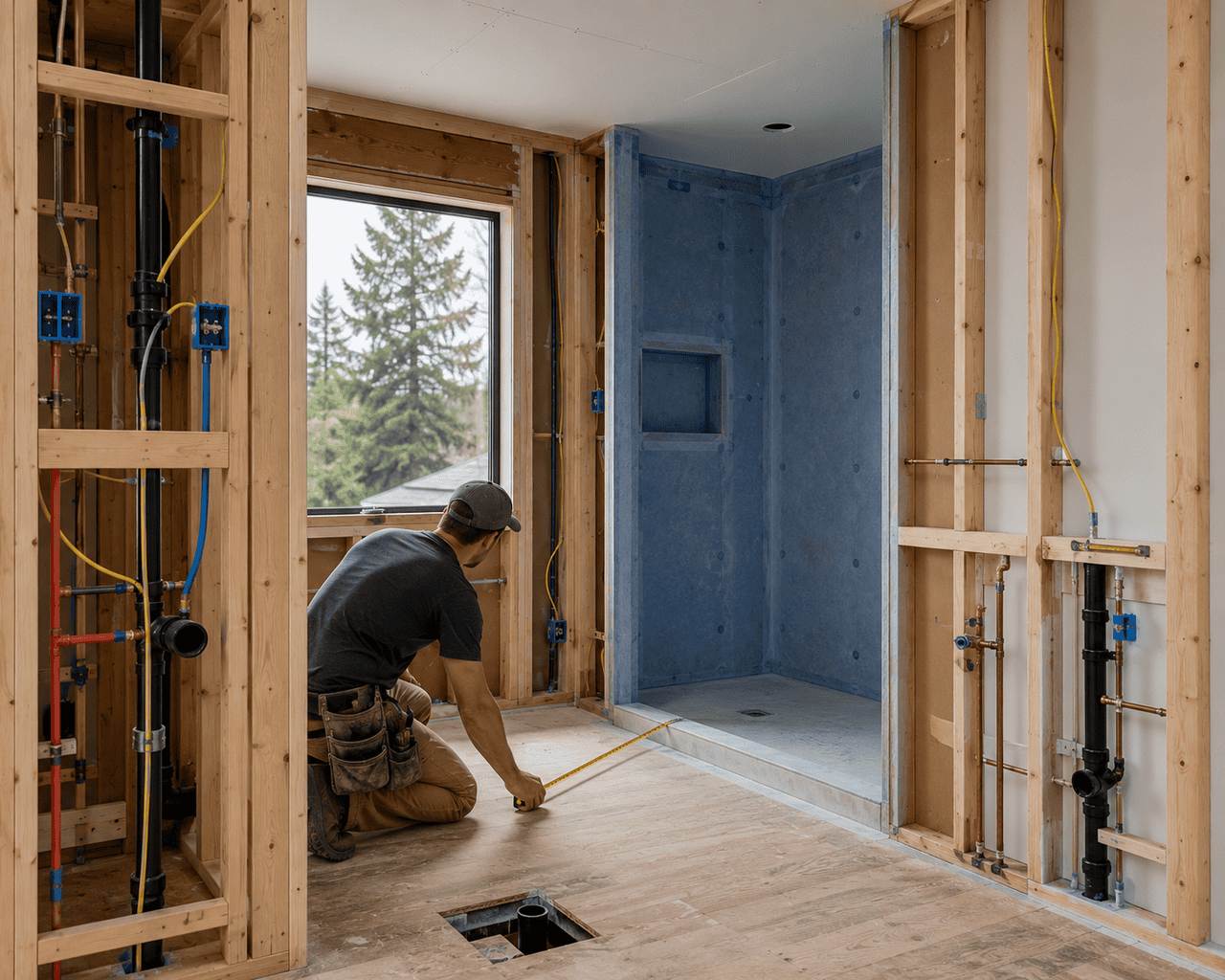
A full bathroom renovation may include demolition down to framing, updated plumbing, electrical upgrades, a new tub or shower system, tile work, waterproofing, ventilation, custom storage, accessibility improvements, and higher-end finish materials. These projects cost more because they involve more labor, more coordination, and more risk management behind the walls.
In broad terms, homeowners may see bathroom remodels range from around $5,000 to $12,000 for smaller or simpler projects, while larger or more involved remodels may range from $15,000 to $30,000 or more. Primary bathrooms, custom tile showers, layout changes, structural repairs, and premium fixtures can push costs higher.
Why Bathroom Remodel Costs Vary So Much
Bathrooms are compact, but they are technically dense. A kitchen may have more square footage, but a bathroom often has more moisture management per square foot than almost any other room in the home. That is why two bathrooms that look similar in photos can have very different budgets.
The biggest cost drivers usually include:
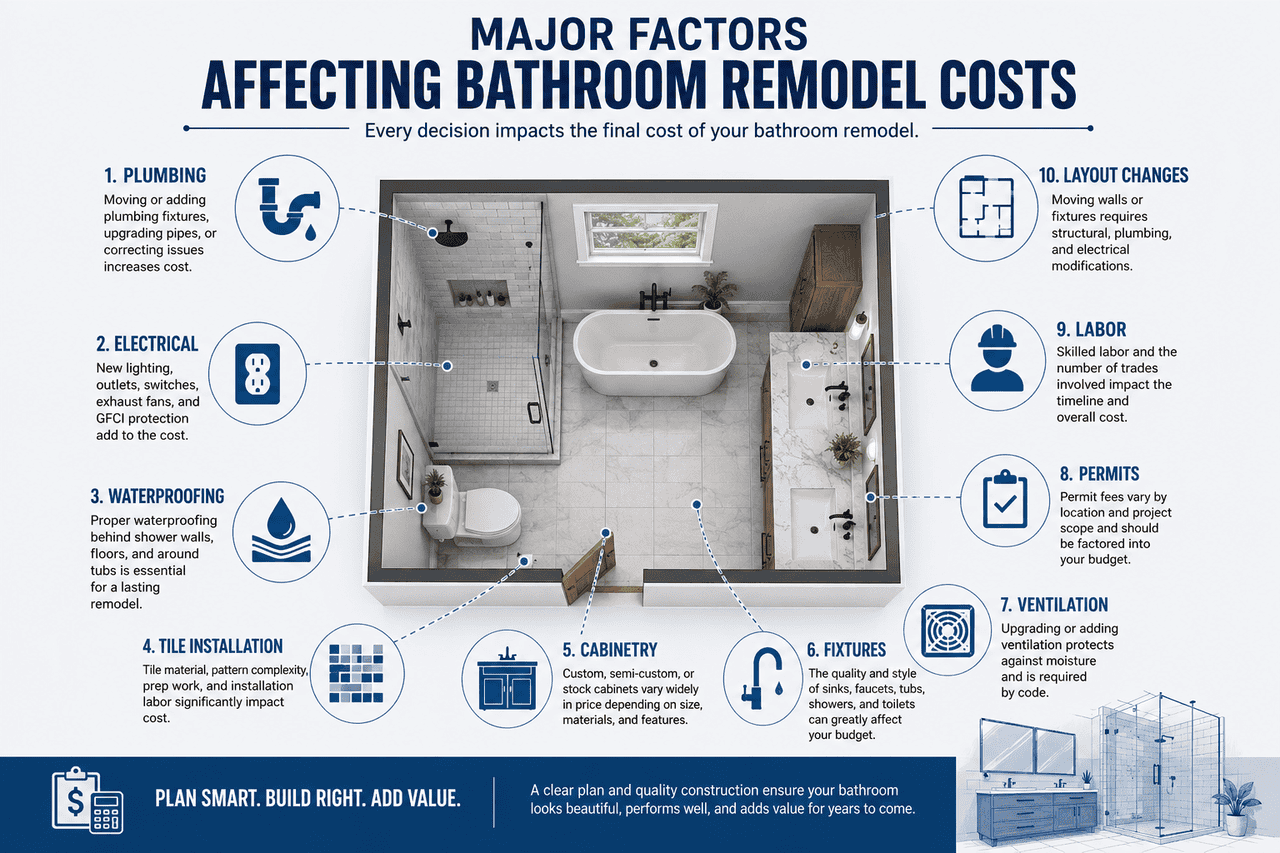
- Size of the bathroom
- Whether the layout changes
- Condition of existing plumbing
- Condition of subflooring and framing
- Tile selection and tile layout
- Shower or tub system complexity
- Vanity size and countertop material
- Lighting and electrical upgrades
- Ventilation requirements
- Waterproofing details
- Permit needs
- Labor rates in your local market
- Finish level and fixture quality
From an engineer-focused perspective, the hidden conditions matter as much as the visible finish. Water damage, poor ventilation, old plumbing, uneven framing, outdated electrical, or subfloor issues can all affect the final cost. These are not glamorous items, but they are critical to long-term performance.
Scope Is the Foundation of Your Budget
The scope of work is the single most important part of your bathroom remodel estimate. Scope defines what is included, what is excluded, what materials are planned, what sequence the work will follow, and what assumptions the contractor is making.
A clear scope helps answer questions like:
- Are we replacing the tub, converting it to a shower, or keeping it?
- Are plumbing fixtures staying in the same location?
- Are walls being opened?
- Is tile going on the floor, shower walls, or both?
- Is the vanity stock, semi-custom, or custom?
- Are we adding storage, outlets, recessed lighting, or heated flooring?
- Are there accessibility goals, such as a low-threshold shower?
- Will permits be needed?
- What happens if water damage is discovered?
Without a defined scope, a low estimate can become expensive later. With a clear scope, homeowners can compare options more accurately and avoid confusion once work begins.
Layout Changes Increase Cost
Keeping plumbing in the same general location is one of the most effective ways to control bathroom remodeling cost. Moving a toilet, shower, tub, or sink can require changes to drain lines, supply lines, venting, framing, flooring, and sometimes the ceiling or walls below.
That does not mean layout changes are a bad idea. Sometimes they are the right solution. A poorly designed bathroom can waste space, create awkward movement, or fail to meet a household’s needs. However, layout changes should be evaluated carefully because they increase cost and complexity.
A planning-first contractor will look at the existing conditions and ask practical questions before recommending a new layout. Is there enough slope for the drain? What is under the floor? Will the framing allow the desired change? Can the ventilation be improved? Will the new design meet code and perform well over time?
Good remodeling is not just about making a drawing look nice. It is about making sure the finished space can be built correctly.
Materials and Finishes Affect the Final Price
Finish materials have a major impact on bathroom remodel cost. A standard vanity and acrylic shower system will usually cost less than custom cabinetry and a tiled shower with niches, benches, and detailed trim. Tile size, pattern, material, and layout also affect labor.
For example, large-format tile may look clean and modern, but it requires careful surface preparation and precise installation. Small mosaic tile may be excellent for shower floors, but it has more grout lines and takes time to install well. Natural stone can be beautiful, but it may require sealing and more maintenance than porcelain.
Common finish decisions include:
- Porcelain tile vs. natural stone
- Acrylic or fiberglass shower system vs. custom tile shower
- Stock vanity vs. custom cabinetry
- Laminate countertop vs. quartz or solid surface
- Standard fixtures vs. premium fixtures
- Basic lighting vs. layered lighting
- Standard mirror vs. medicine cabinet or custom mirror
- Painted walls vs. tile wainscoting or accent walls
The best material is not always the most expensive one. The best material is the one that fits the design, budget, maintenance expectations, and performance needs of the space.
Labor Is Not Just Installation
Labor is often one of the largest portions of a bathroom remodel budget, and for good reason. Bathroom remodeling requires coordination between demolition, framing, plumbing, electrical, waterproofing, drywall, tile, painting, fixture installation, finish carpentry, and cleanup.
Skilled labor also reduces risk. A shower that looks beautiful on day one still needs to manage water correctly after years of use. A vanity installation should be level, secure, and properly connected. A fan should move moisture out of the room effectively. Tile should be aligned, bonded correctly, and finished with clean transitions.
When homeowners compare estimates, it is important to look beyond the total price. A lower number may not include the same preparation, waterproofing, sequencing, cleanup, or craftsmanship. In remodeling, shortcuts can look affordable at first and become costly later.
The Hidden Costs Homeowners Should Plan For
Bathrooms often reveal hidden issues once demolition begins. This is especially true in older homes or bathrooms that have had leaks, poor ventilation, or previous DIY work. A good contractor cannot see everything before opening walls and floors, but a good process can reduce uncertainty.
Potential hidden costs include:
- Water-damaged subflooring
- Mold or mildew remediation
- Rot near tubs, showers, or toilets
- Outdated plumbing lines
- Improper previous repairs
- Electrical that needs to be brought up to current standards
- Insufficient ventilation
- Uneven walls or floors
- Structural concerns
- Permit-related changes
A smart budget includes a contingency. Many homeowners set aside 10 to 20 percent for unknowns, especially on larger remodels. That does not mean the project will automatically use that money. It simply gives the plan room to absorb real conditions without panic.
What a Planning-First Bathroom Remodel Looks Like
A planning-first remodel begins before demolition. The goal is to reduce ambiguity, clarify expectations, and create a buildable sequence. This is where Evergreen Home Exteriors’ approach is especially valuable.
A strong planning process should include:
- A detailed consultation
- Discussion of goals, frustrations, and must-haves
- Evaluation of the existing bathroom
- Clear scope development
- Material and fixture planning
- Sequencing of trades
- Budget alignment
- Timeline expectations
- Communication about risks and unknowns
- Craftsmanship standards for visible and hidden work
Clean sequencing matters because bathrooms involve many steps in a tight space. The order of work affects quality. Demolition must happen before rough plumbing and electrical. Rough-ins need to be complete before walls are closed. Waterproofing must happen before tile. Tile must cure before certain fixtures are installed. Finish details come last, and they should not be rushed.
When the sequence is clean, the project is easier to manage, and the finished result is more dependable.
How to Control Bathroom Remodel Costs Without Cutting Corners
Cost control does not mean choosing the cheapest option for everything. It means making deliberate decisions. The goal is to spend where it matters and simplify where it makes sense.
Here are practical ways to manage your budget:
- Keep the existing plumbing layout when possible.
- Choose durable, proven materials.
- Avoid overly complex tile patterns if labor cost is a concern.
- Select fixtures early to prevent delays.
- Decide on must-haves before construction begins.
- Use a clear scope to avoid misunderstandings.
- Plan for ventilation and waterproofing instead of treating them as afterthoughts.
- Choose quality installation over trendy details that may not age well.
- Build in a contingency for hidden conditions.
- Work with a contractor who explains the sequence and not just the price.
The best remodels are balanced. They look good, function well, and hold up under daily use.
Is a Bathroom Remodel Worth It?
For many homeowners, a bathroom remodel is worth it because it improves comfort, safety, efficiency, and home value. A well-designed bathroom can make mornings smoother, reduce maintenance issues, improve storage, and make the home feel more modern.
The return is not only financial. A bathroom that drains properly, ventilates well, resists moisture, and feels good to use every day adds real quality of life. If you plan to stay in your home, that daily value matters. If you plan to sell, an updated bathroom can also help buyers feel more confident about the condition of the home.
The key is to remodel with a long-term mindset. Pretty finishes are important, but they should be supported by sound construction.
How to Compare Bathroom Remodeling Estimates
When you receive estimates, do not compare only the bottom-line number. Compare what each contractor is actually including.
Ask questions like:
- Is demolition included?
- Are permits included if needed?
- Is plumbing included?
- Is electrical included?
- What waterproofing system will be used?
- Are materials included or allowances listed?
- What happens if hidden damage is found?
- Is cleanup included?
- Who manages the schedule?
- What workmanship standards are expected?
- How are changes documented?
A detailed estimate gives you a better basis for decision-making. It also reflects the contractor’s planning discipline. If the scope is vague before work begins, it is likely to feel even more vague during construction.
FAQ
How much does it cost to remodel a small bathroom?
A small bathroom remodel can cost less than a larger bathroom, but the price still depends on the scope. A simple refresh may stay in the lower thousands, while a full small bathroom renovation with tile, plumbing, electrical, and waterproofing can cost significantly more.
What is the most expensive part of a bathroom remodel?
Labor, tile work, plumbing changes, and custom showers are often among the most expensive parts. Hidden repairs, such as water-damaged subflooring or outdated plumbing, can also add cost.
Can I remodel a bathroom without changing the layout?
Yes. Keeping the layout is often one of the best ways to control cost. You can still make a major improvement with new fixtures, flooring, lighting, vanity, shower or tub updates, and better finishes.
How long does a bathroom remodel take?
Timeline depends on the scope, material availability, inspections, and site conditions. A simple update may take much less time than a full remodel that includes demolition, rough-ins, waterproofing, tile, and custom finish work.
Do I need a permit for a bathroom remodel?
It depends on the work being performed and your local requirements. Plumbing, electrical, structural, or major layout changes may require permits. A qualified contractor can help determine what applies to your project.
Is a tiled shower worth the extra cost?
A tiled shower can be worth it if you want a custom look, specific layout, niche, bench, or premium finish. The key is proper waterproofing and installation. A tiled shower should be built for long-term moisture performance, not just appearance.
How can I avoid surprise costs?
Start with a clear scope, select materials early, ask about hidden conditions, and include a contingency in your budget. Working with a planning-first contractor also helps reduce avoidable surprises.
Should I choose the lowest bathroom remodel estimate?
Not automatically. A low estimate may leave out important items like waterproofing, permits, prep work, cleanup, or finish details. Compare scope, process, communication, and craftsmanship along with price.
Plan Your Bathroom Remodel With Evergreen Home Exteriors
A bathroom remodel is more than a cosmetic upgrade. It is a technical project that needs a clear scope, clean sequencing, and craftsmanship that looks great up close and performs long-term. We are a Washington remodeling contractor focused on planning-first project delivery, from the first conversation to the final walkthrough.
If you are ready to understand your options, align your budget, and build a bathroom that works beautifully for your home, we are here to help. Schedule your FREE, no-pressure consultation today.