

Kitchen Remodel Ideas
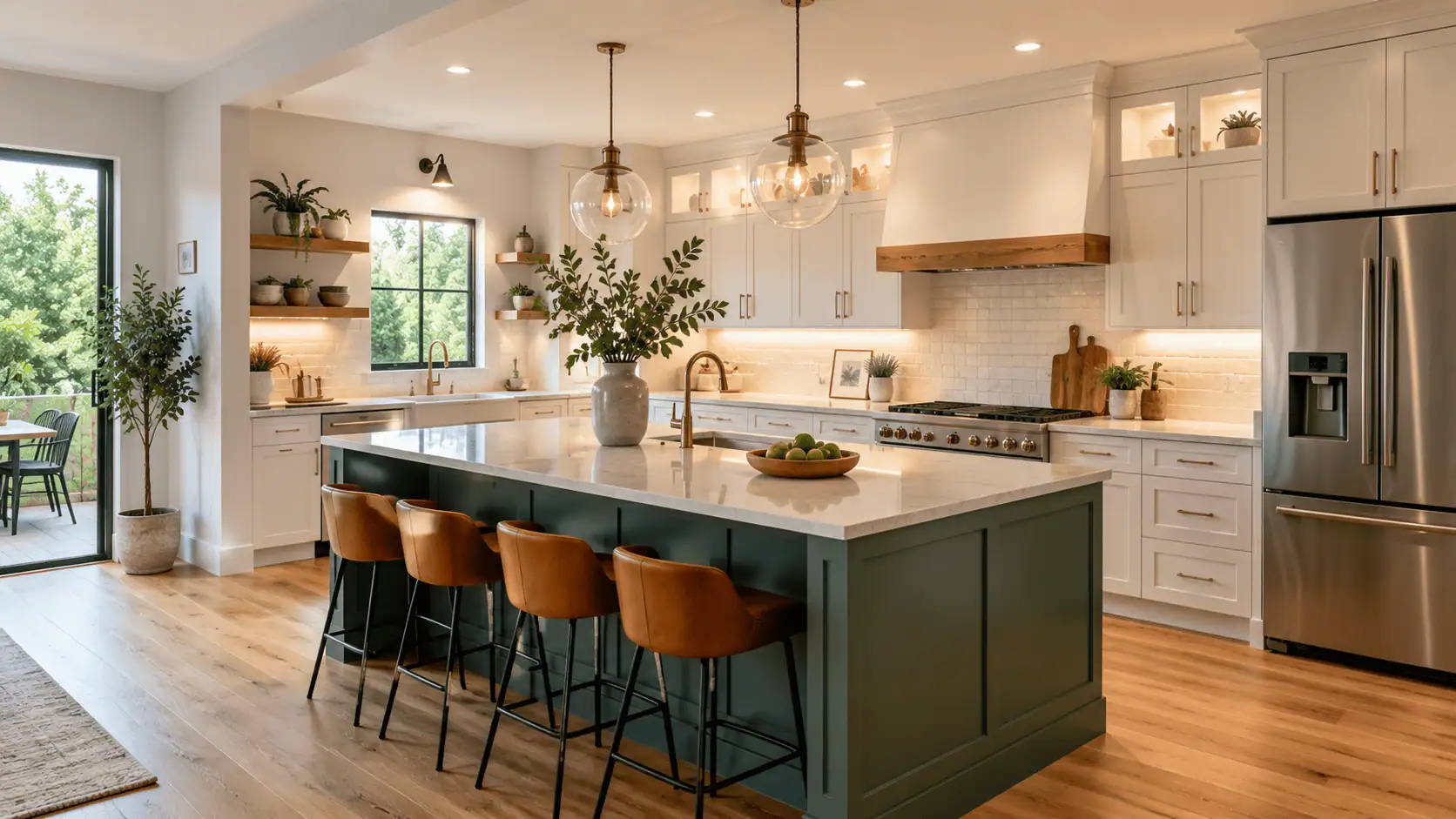
Kitchen remodel ideas can start as inspiration photos, saved cabinet colors, or a wish list of better storage, but the most successful remodels start with a plan. A great kitchen is not just beautiful from across the room. It should work smoothly every morning, hold up to daily use, clean easily, and feel intentional in every detail. For homeowners in Washington, that planning matters even more because kitchens need to perform through wet seasons, active family life, changing light, and years of real-world use. Whether you want a full kitchen transformation or a focused upgrade, the best remodel begins with clear goals, careful sequencing, durable materials, and craftsmanship you can see up close.
Start With How Your Kitchen Actually Works
Before choosing finishes, take a step back and study how your kitchen functions today. Many remodels go off track because decisions start with style instead of workflow. An engineer-focused approach begins by identifying what is not working and why.
Ask yourself:
- Where do people naturally gather?
- Is there enough prep space near the sink and stove?
- Do cabinet doors or appliance doors interfere with each other?
- Is the lighting good enough for chopping, cooking, and cleaning?
- Are small appliances cluttering the counters because storage is limited?
- Do groceries, dishes, cookware, and trash have logical locations?
This simple evaluation helps turn vague frustrations into a clear remodel scope. For example, “the kitchen feels cramped” might really mean the island is too large, the refrigerator swing blocks traffic, or storage is poorly distributed. Once the actual cause is identified, the solution becomes more precise and cost-effective.
A planning-first remodel looks at movement, clearance, ventilation, lighting, surface durability, cabinet access, and long-term maintenance before making cosmetic decisions. The result is a kitchen that not only looks better but works better every day.
Improve the Kitchen Layout Before Upgrading Finishes
A beautiful backsplash will not fix a bad layout. If your current kitchen has bottlenecks, awkward corners, or inefficient work zones, the layout should be addressed early in the design process.
Common layout improvements include:
- Moving the refrigerator closer to pantry storage
- Creating a larger prep area between the sink and cooktop
- Adding an island with correct walkway clearance
- Replacing a peninsula that blocks circulation
- Opening sightlines to the dining or living area
- Relocating trash and recycling near the sink
- Adding cabinet storage where open space is underused
The classic kitchen work triangle, which connects the sink, stove, and refrigerator, can still be useful. However, modern kitchens often need multiple zones rather than one triangle. A family kitchen might need a coffee station, homework area, baking zone, beverage fridge, or landing space for groceries. The goal is to organize the room so tasks happen naturally without unnecessary steps or congestion.
For homeowners who entertain, a better layout might separate cooking traffic from guest traffic. For busy families, the priority may be durable finishes, easy cleanup, and storage that keeps counters clear. For aging-in-place planning, wider pathways, accessible storage, and better lighting may be the most important upgrades.
Add Storage That Solves Specific Problems
Storage is one of the biggest reasons homeowners remodel kitchens. The key is to design storage around what you own and how you use it. More cabinets are helpful, but smarter cabinets are often better.
Consider storage upgrades such as:
- Deep drawers for pots, pans, and mixing bowls
- Pull-out shelves for lower cabinets
- Vertical dividers for baking sheets and cutting boards
- Drawer organizers for utensils and tools
- Pull-out spice storage near the cooktop
- Tray storage above the refrigerator
- Appliance garages for coffee makers and toasters
- Built-in trash and recycling pull-outs
- Pantry cabinets with adjustable shelving
- Corner solutions such as lazy Susans or blind-corner pull-outs
A well-designed kitchen makes the most-used items easiest to reach. Heavy cookware should not be stored overhead. Everyday dishes should be near the dishwasher. Food prep tools should be close to the main prep zone. Cleaning supplies should be safely stored but easy to access.
This is where clear planning creates real value. Instead of simply replacing old cabinets with new ones, you can use the remodel to eliminate daily annoyances.
Choose Durable Countertops for Daily Use
Countertops take constant abuse from spills, heat, moisture, knives, appliances, and cleaning products. The right material depends on your priorities for appearance, maintenance, and durability.
Popular countertop options include quartz, granite, solid surface, butcher block, and porcelain. Quartz is a common choice because it is durable, low-maintenance, and available in a wide range of colors and patterns. Granite offers natural variation and strong performance when properly sealed. Butcher block adds warmth, but it requires more maintenance and is more vulnerable to water and stains.
When comparing countertop materials, think about:
- Stain resistance
- Heat resistance
- Scratch resistance
- Sealing requirements
- Edge profile
- Seam placement
- Cleaning routine
- Long-term repair options
For an engineer-focused remodel, countertop selection should also include installation details. Large slabs, sink cutouts, overhangs, support brackets, and seam locations all affect performance. A beautiful countertop should look good on day one and continue performing years later.
Upgrade Lighting in Layers
Lighting can completely change how a kitchen feels and functions. Many older kitchens rely on one central fixture, which creates shadows exactly where you need visibility most. A better approach uses layered lighting.
The three main lighting layers are:
- Ambient lighting for overall room brightness
- Task lighting for prep, cooking, and cleaning areas
- Accent lighting for visual interest and depth
Under-cabinet lighting is one of the most practical upgrades because it illuminates countertops directly. Recessed ceiling lights can brighten the entire room when spaced correctly. Pendant lights over an island add style and targeted light, but they should be placed at the right height and spacing to avoid glare or obstruction.
Also consider color temperature. Warmer light can feel cozy, while cooler light can feel crisp and clean. Many homeowners prefer a balanced temperature that keeps the kitchen inviting without making food or finishes look distorted.
Good lighting is not just decorative. It improves safety, accuracy, and comfort.
Select Cabinetry That Balances Style and Structure
Cabinets define much of a kitchen’s appearance, but they also carry heavy daily use. Doors, drawers, hinges, slides, finishes, and boxes all matter.
Popular cabinet ideas include:
- Shaker-style doors for a clean, timeless look
- Slab-front doors for a modern design
- Two-tone cabinets with a darker island
- Painted cabinets in soft neutrals or deep greens
- Natural wood finishes for warmth and texture
- Glass-front cabinets for display areas
- Full-height upper cabinets for more storage
From a performance standpoint, pay attention to drawer glide quality, hinge adjustability, shelf thickness, finish durability, and installation accuracy. Cabinet alignment is one of those details that separates average work from true craftsmanship. Gaps, reveals, and door spacing should look consistent up close.
If your existing cabinet layout works but the style is outdated, cabinet refacing or painting may be an option. If the layout is poor or the boxes are worn, full replacement may be the better long-term investment.
Make the Island Work Harder
A kitchen island can become the centerpiece of the room, but only if it is properly sized and planned. Bigger is not always better. An island that crowds walkways can make the kitchen harder to use.
A well-designed island can provide:
- Extra prep space
- Seating for casual meals
- Additional storage
- A secondary sink
- A microwave drawer
- A beverage fridge
- A landing zone for groceries
- Hidden outlets for small appliances
Clearance is critical. Walkways around the island should allow people to pass comfortably, even when cabinet or appliance doors are open. Seating overhangs need proper support. Electrical placement should be convenient but discreet. If plumbing is added, sequencing becomes more complex and should be planned early.
For many homes, the best island is not the largest possible island. It is the island that fits the room, supports the workflow, and feels like it belongs.
Choose a Backsplash That Is Practical and Polished
A backsplash protects walls from water, grease, and food splatter while adding personality. Tile remains one of the most popular options because it is durable and easy to customize.
Backsplash ideas include:
- Classic subway tile
- Handmade-look tile with slight variation
- Large-format tile for fewer grout lines
- Stone slab backsplash
- Geometric patterns
- Vertical tile layouts
- Soft neutral tones for a calm look
- Bold color behind a range or sink
Grout selection is just as important as tile selection. Light grout can brighten the kitchen, but it may show stains more easily. Darker grout can add contrast and reduce visible discoloration. The tile layout should be planned around outlets, windows, open shelves, and range hoods so cuts look intentional.
A clean backsplash installation is a strong visual signal of craftsmanship. Straight lines, even spacing, and careful transitions make a major difference.
Improve Ventilation for Comfort and Longevity
Ventilation is easy to overlook, but it plays a major role in kitchen performance. Cooking creates steam, grease, odors, and heat. Without proper ventilation, moisture and residue can affect cabinets, walls, ceilings, and indoor comfort.
A good range hood should be properly sized for the cooking appliance and vented correctly when possible. Recirculating hoods can help in some situations, but exterior venting is generally more effective. The hood should also be placed at the correct height so it captures cooking byproducts without interfering with sightlines or head clearance.
In Washington homes, moisture management matters. A kitchen remodel is a good opportunity to evaluate ventilation, wall protection, and materials that can handle real use in a damp climate.
Use Flooring That Handles Traffic and Spills
Kitchen floors need to be comfortable, durable, and easy to clean. They also need to transition well into adjacent rooms.
Common kitchen flooring options include:
- Luxury vinyl plank
- Porcelain tile
- Engineered hardwood
- Natural hardwood
- Laminate
- Cork
Luxury vinyl plank is popular because it is water-resistant, comfortable underfoot, and available in many styles. Porcelain tile is extremely durable and water-resistant, but it can feel harder and colder. Hardwood offers warmth and continuity, especially in open floor plans, but it requires more care around water.
When choosing flooring, consider slip resistance, subfloor condition, transition height, cleaning needs, and how the flooring will meet cabinets, appliances, and nearby rooms. The best choice is the one that fits your lifestyle, not just the showroom sample.
Plan Appliance Placement Early
Appliances affect cabinetry, electrical, plumbing, ventilation, and clearances. That means they should be selected early, not after cabinets are ordered.
Important appliance planning details include:
- Refrigerator width, depth, and door swing
- Dishwasher location relative to sink and dish storage
- Range or cooktop ventilation requirements
- Wall oven height
- Microwave location
- Outlet needs
- Water lines for ice makers or beverage stations
- Panel-ready appliance dimensions
Small differences in appliance specs can create major installation issues. A planning-first contractor will verify measurements, rough-in requirements, and sequencing before work begins. This reduces surprises and helps the finished kitchen look integrated rather than patched together.
Think About Clean Sequencing Before Construction Starts
A kitchen remodel involves many trades and steps. Demolition, framing, plumbing, electrical, mechanical, drywall, flooring, cabinets, countertops, tile, finish carpentry, paint, and final adjustments all need to happen in the right order.
Clean sequencing helps prevent delays and rework. For example, cabinets cannot be installed correctly if the walls are not ready. Countertops cannot be templated accurately until base cabinets are set. Tile layout depends on countertop height and outlet placement. Lighting decisions may affect drywall and electrical timing.
A clear sequence also helps homeowners understand what to expect. Remodeling is disruptive, especially when the kitchen is unavailable. A well-organized plan can make the experience more predictable and less stressful.
Add Details That Make the Kitchen Feel Custom
The difference between a nice kitchen and a truly excellent kitchen often comes down to details.
Consider finishing touches such as:
- Soft-close drawers and doors
- Integrated cabinet lighting
- Custom drawer inserts
- Built-in charging stations
- Hidden outlets
- Matching end panels
- Crown molding or clean ceiling transitions
- Under-sink organization
- Toe-kick drawers
- Pot filler near the range
- Open shelving in limited areas
- A dedicated coffee or beverage station
These features should be chosen carefully. Too many extras can clutter the design or stretch the budget. The best details support how you live and make daily routines easier.
Keep Long-Term Performance in Mind
A kitchen remodel is a major investment, so long-term performance should guide every decision. Trendy colors and materials can be fun, but structural quality, moisture resistance, ventilation, and installation accuracy matter more over time.
Think about how the kitchen will age. Will the cabinet finish withstand cleaning? Will the countertop hide everyday wear? Will the flooring handle pets, kids, and wet shoes? Will the layout still work as your household changes?
An engineer-focused remodel does not ignore style. It simply makes sure style is supported by practical decisions. Beauty and performance should work together.
Budget With Scope Clarity
Budgeting for a kitchen remodel is easier when the scope is clearly defined. Unclear scope leads to uncertainty, change orders, and frustration. Before construction begins, homeowners should understand what is included, what is excluded, and which decisions could affect cost.
A clear scope may include:
- Cabinet type and layout
- Countertop material
- Plumbing fixture selections
- Electrical changes
- Lighting plan
- Appliance requirements
- Flooring scope
- Wall changes
- Finish carpentry
- Paint and trim
- Permitting considerations
- Timeline and sequencing
This level of detail helps everyone work from the same expectations. It also supports better craftsmanship because each step is planned around the next.
FAQ
What is the first thing to plan in a kitchen remodel?
Start with function. Identify what does not work about your current layout, storage, lighting, and workflow before choosing colors or finishes.
What kitchen upgrades add the most everyday value?
Storage improvements, better lighting, durable countertops, improved layout, quality cabinets, and upgraded ventilation often provide the most noticeable daily benefits.
Is a kitchen island always a good idea?
Not always. An island is helpful when there is enough space for comfortable walkways and appliance clearance. In smaller kitchens, a peninsula or better cabinet layout may work better.
How can I make my kitchen feel bigger?
Use better lighting, lighter finishes, efficient storage, fewer visual obstructions, and a layout that improves traffic flow. Removing unnecessary upper cabinets or opening sightlines can also help.
What countertop material is easiest to maintain?
Quartz is a popular low-maintenance option because it is durable, nonporous, and does not require regular sealing like many natural stone surfaces.
How important is ventilation in a kitchen remodel?
Very important. Good ventilation helps manage steam, grease, heat, and odors. It also supports better long-term performance for cabinets, paint, and surrounding finishes.
Should I choose appliances before cabinets?
Yes. Appliance dimensions and installation requirements affect cabinet layout, electrical, plumbing, and ventilation planning.
How do I avoid remodel delays?
Work with a contractor who defines the scope clearly, confirms selections early, sequences trades properly, and communicates expectations before construction begins.
What makes a kitchen remodel feel high-quality?
Consistent cabinet alignment, clean tile work, tight trim details, durable materials, thoughtful lighting, smooth workflow, and finishes that look good up close all contribute to a high-quality result.
Ready to Plan Your Kitchen Remodel?
Your kitchen should be more than a collection of good-looking finishes. It should be carefully planned, cleanly sequenced, and built with craftsmanship that looks great up close and performs long-term. Evergreen Home Exteriors is a Washington remodeling contractor focused on planning-first project delivery, including clear scope, clean sequencing, durable materials, and detail-driven execution. Schedule your FREE, no-pressure consultation with us today and start planning a kitchen that works beautifully for the way you live.