

What Is the Cost of a Home Remodel?
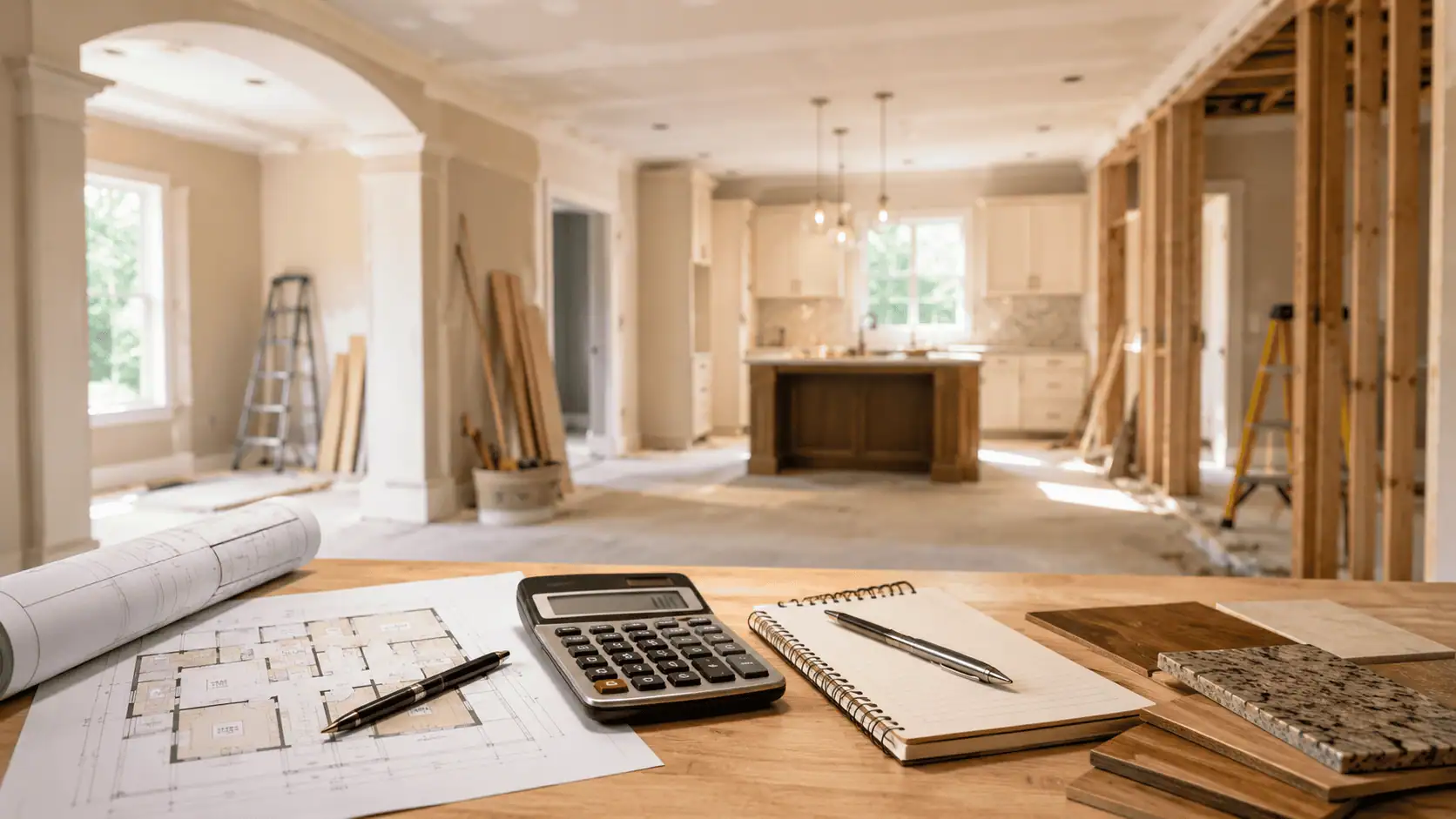
If you are asking “what is the cost of a home remodel,” the honest answer is: it depends on the scope, structure, materials, sequencing, and the level of craftsmanship required to do the job correctly. That may not sound as satisfying as a single number, but it is the most useful answer for homeowners who want a remodel that looks good, performs well, and does not create avoidable problems later. A home remodel is not just a collection of products and labor hours. It is a coordinated project that affects the way your home functions, protects itself from weather, uses energy, and supports your daily life.
For Washington homeowners, remodeling costs can vary widely because homes are different, weather exposure matters, building materials must be chosen carefully, and existing conditions are not always visible until the project is properly evaluated. A straightforward exterior update may have a very different cost profile than a remodel that includes structural repairs, window replacement, siding upgrades, decking, roofing, or multiple phases of improvement.
At Evergreen Home Exteriors, we believe the best remodels start with planning. A planning-first approach helps create a clear scope, clean sequencing, accurate expectations, and craftsmanship that holds up over time. When a remodel is planned carefully, every decision has a purpose. The result is not just a better-looking home, but a better-performing one.
Why Home Remodel Costs Vary So Much
Home remodeling is not a one-size-fits-all service. Two homes may appear similar from the street, but the cost to remodel them can be very different once the details are examined. Age, construction methods, previous repairs, water exposure, access, materials, and homeowner goals all influence the final investment.
A remodel may involve cosmetic improvements, performance upgrades, structural corrections, or all three. For example, replacing siding is not only about choosing a color and profile. The project may also involve evaluating sheathing, flashing, moisture barriers, trim transitions, window details, and ventilation. These hidden details affect both cost and long-term durability.
Several common factors influence remodeling cost:
- Project scope: A single exterior upgrade will usually cost less than a multi-area remodel.
- Home size and layout: Larger homes require more material, labor, staging, and project coordination.
- Existing condition: Rot, water damage, poor installation, or outdated components can add necessary repair work.
- Material selection: Premium materials, custom details, and higher-performance products increase upfront cost but may reduce maintenance over time.
- Labor complexity: Difficult access, steep rooflines, complex trim, or tight sequencing can affect labor hours.
- Permitting and code requirements: Some projects require permits, inspections, or code-related updates.
- Weather and scheduling: In Washington, moisture management and seasonal planning can influence project timing and logistics.
The most accurate remodel pricing comes from a detailed assessment rather than a generic estimate. A contractor needs to understand what is being changed, what is being protected, and what must happen first.
The Difference Between Price and Value
A low price may look attractive at first, but the better question is whether the project is being designed and built to perform long-term. In remodeling, value comes from the combination of materials, workmanship, sequencing, communication, and durability. A project that skips critical details can create costs later through leaks, callbacks, premature wear, or mismatched finishes.
For example, if siding is installed without proper flashing or water management, the exterior may look finished on day one but fail over time. If windows are replaced without careful integration into the weather barrier, the home may become vulnerable to moisture intrusion. If a deck is rebuilt without proper structural attention, the surface may look new while the underlying system remains weak.
An engineer-focused approach looks at the remodel as a system. Each component should work with the next. That means asking practical questions before work begins:
- How will water move across and away from the home?
- Are materials compatible with the existing structure?
- What needs to happen before the next trade begins?
- Where are the highest-risk transitions?
- What details will be visible up close?
- What maintenance will the homeowner face in five, ten, or fifteen years?
This type of thinking helps homeowners avoid the trap of comparing estimates only by the bottom-line price. A well-planned remodel should make the investment clear, logical, and connected to long-term performance.
Common Home Remodel Cost Categories
While every home is unique, most remodel budgets are shaped by a few major cost categories. Understanding these categories can make it easier to evaluate proposals and ask better questions.
1. Design, Planning, and Project Scope
Before materials are ordered or crews arrive, the project needs a defined scope. This includes deciding what work will be completed, what areas are excluded, what materials will be used, and what standards the finished project must meet.
Planning may include measurements, site review, product selection, structural evaluation, scheduling, and coordination of project phases. This stage is critical because vague scopes often lead to confusion, change orders, and budget stress.
A clear scope should answer:
- What exactly is being removed?
- What exactly is being installed?
- Which products, colors, and finishes are included?
- What repair allowances are included, if any?
- What happens if hidden damage is found?
- What is the expected sequence of work?
- How will the home be protected during construction?
A contractor who takes planning seriously may spend more time up front, but that time often creates a smoother and more predictable remodel.
2. Materials and Product Quality
Material cost is one of the most visible parts of a remodel budget. Homeowners often compare products based on appearance, but performance matters just as much. Exterior remodeling materials must stand up to wind, rain, temperature swings, sun exposure, and daily use.
Material choices may include:
- Siding products
- Roofing materials
- Windows and doors
- Decking and railing systems
- Trim, flashing, and weather barriers
- Fasteners, sealants, and underlayments
- Paints, coatings, and finishes
The least expensive product is not always the most cost-effective choice. A material with better durability, lower maintenance, stronger warranties, or improved energy performance may offer better long-term value. The right choice depends on the home, budget, design goals, and expected lifespan.
3. Labor and Craftsmanship
Labor is not just the physical installation of materials. It includes preparation, demolition, layout, sequencing, fitting, fastening, finishing, cleanup, and quality control. Skilled craftsmanship matters because remodeling happens in real-world conditions, not on a perfectly controlled factory line.
Existing homes are rarely perfectly square, level, or consistent. Crews must solve problems carefully and make details look intentional. This is where workmanship becomes highly visible. Corners, seams, trim lines, window transitions, siding courses, deck edges, and finish details all reveal the quality of the installation.
Good craftsmanship also includes what you do not see. Proper fastening, moisture protection, substrate preparation, and flashing details may be hidden behind the finished surface, but they are essential to long-term performance.
4. Repairs and Existing Conditions
One of the biggest cost variables in remodeling is what already exists behind the visible surface. Older homes, especially in wet climates, may have hidden damage that cannot be fully assessed until materials are removed.
Common issues include:
- Wood rot
- Water intrusion
- Pest damage
- Failing sheathing
- Poor previous repairs
- Inadequate flashing
- Structural movement
- Outdated framing or support components
A trustworthy contractor should explain how these conditions will be handled. Some projects include allowances for minor repairs, while others price repairs separately once they are visible. Either approach can work as long as the process is transparent.
The key is avoiding surprise without avoiding reality. If damage exists, it needs to be addressed correctly. Covering over a problem may reduce today’s cost, but it can create a larger expense later.
5. Permits, Codes, and Inspections
Depending on the project, permits and inspections may be required. These requirements help confirm that certain work meets local standards for safety, structure, and performance. Permit costs are usually not the largest part of a remodel budget, but they can affect scheduling and planning.
Code-related requirements may influence details such as:
- Structural connections
- Deck framing
- Stair and railing dimensions
- Egress standards
- Energy performance
- Window and door installation
- Roofing or ventilation requirements
A planning-first contractor will identify likely permit requirements early so they can be included in the schedule and scope.
6. Sequencing and Project Management
Sequencing is one of the most underappreciated parts of remodeling. The order of operations can affect quality, cost, and homeowner experience. Clean sequencing means each phase is arranged so crews are not working against each other, materials are installed at the right time, and finished work is protected.
For example, window installation may need to happen before siding details are finalized. Exterior repairs may need to be completed before trim is installed. Deck work may need to be coordinated around siding, doors, or drainage details. When sequencing is poor, projects can become inefficient, messy, or more expensive.
Strong project management helps control:
- Crew coordination
- Material delivery
- Site access
- Weather protection
- Homeowner communication
- Change order documentation
- Cleanup and quality checks
A well-managed remodel feels more organized because the plan is doing its job.
How to Think About Your Home Remodel Budget
Rather than starting with the lowest possible price, start with your goals. Are you remodeling to improve curb appeal, solve a performance issue, increase comfort, reduce maintenance, prepare for resale, or protect the structure? The answer will shape the budget.
A smart remodel budget should account for both visible and hidden needs. It should also leave room for responsible decision-making if the project reveals damage or outdated conditions.
When planning your budget, consider these questions:
- What problem am I trying to solve?
- Which parts of the home are most urgent?
- Do I want a short-term refresh or a long-term upgrade?
- Are there known moisture, draft, or maintenance issues?
- Which finishes matter most visually?
- How long do I plan to stay in the home?
- What would happen if I postponed this project?
A remodel does not always need to happen all at once. In many cases, phased remodeling is a practical solution. A contractor can help prioritize work so the most important structural or weather-related issues are addressed first, while cosmetic improvements are planned in a logical order.
Why Planning-First Remodeling Can Save Money
Planning-first remodeling does not mean making the project more complicated. It means reducing uncertainty before construction starts. When scope, sequence, and expectations are clear, homeowners are better equipped to make confident decisions.
This approach can help reduce:
- Miscommunication
- Unclear allowances
- Duplicate work
- Poor trade coordination
- Material delays
- Avoidable change orders
- Damage to completed work
- Long-term maintenance problems
Planning-first delivery also supports better craftsmanship. Crews can work from a clearer plan, materials can be staged appropriately, and project details can be checked before they become expensive to correct.
For homeowners, this creates a better remodeling experience. You know what is happening, why it is happening, and how each decision connects to the final result.
Questions to Ask Before Choosing a Remodeling Contractor
Choosing a contractor is not only about price. It is about trust, clarity, and capability. A good contractor should be able to explain the scope, identify risks, describe the process, and communicate clearly before work begins.
Helpful questions include:
- What is included in this estimate?
- What is not included?
- How do you handle hidden damage?
- Who manages the project schedule?
- What materials do you recommend and why?
- How will you protect my home during the project?
- What does the sequencing look like?
- How do you document changes?
- What details are most important for long-term performance?
- What should I expect during construction?
The answers should be specific. If a proposal is vague, ask for clarification. A clear estimate helps you compare value, not just price.
FAQ
How much does a home remodel cost?
The cost depends on the project scope, home size, existing condition, materials, labor complexity, and required repairs. A focused exterior update will usually cost less than a multi-phase remodel involving siding, windows, roofing, decking, or structural corrections.
Why do remodeling estimates vary so much?
Estimates vary because contractors may include different materials, repair assumptions, labor standards, warranties, project management, and scope details. Always compare what is included, not just the final number.
What is the most expensive part of a remodel?
Labor, materials, and hidden repairs are often the largest cost drivers. Complex projects may also require more project management, permitting, staging, and sequencing.
Can I remodel my home in phases?
Yes. Phased remodeling can be a smart approach, especially when budget, timing, or project complexity matters. The key is planning the phases in the right order so that completed work is protected and future work is easier.
How can I avoid unexpected remodel costs?
Start with a detailed assessment, a clear scope, realistic allowances, and a contractor who explains possible hidden conditions. Not every surprise can be prevented, but a good planning process can reduce uncertainty.
Is the cheapest estimate the best choice?
Not always. A low estimate may leave out important details, use lower-quality materials, or exclude repairs. The best value usually comes from a complete scope, durable materials, skilled installation, and clear communication.
Do exterior remodels require permits?
Some do, depending on the type of work and local requirements. Structural changes, decks, windows, roofing, and other major improvements may require permits or inspections. Your contractor should help identify what applies to your project.
How long does a home remodel take?
Timeline depends on scope, weather, material availability, permits, and project sequencing. A clearly planned project is usually easier to schedule and manage than one with vague details.
What should be included in a remodeling proposal?
A strong proposal should include the scope of work, materials, exclusions, repair process, payment terms, estimated schedule, warranty information, and change order process.
How do I know if my remodel is worth the investment?
A remodel is usually worth considering when it improves durability, function, curb appeal, comfort, energy performance, or long-term maintenance. The best projects solve real problems while improving the way the home looks and performs.
Plan Your Remodel With Evergreen Home Exteriors
The cost of a home remodel is not just about square footage or product selection. It is about building a complete plan that fits your home, your goals, and the realities of construction. When the scope is clear, the sequence is clean, and the craftsmanship is precise, your remodel has a stronger chance of looking great up close and performing long-term.
Evergreen Home Exteriors is a Washington remodeling contractor focused on planning-first project delivery. That means clear scope, clean sequencing, thoughtful material choices, and craftsmanship designed to stand up to the Pacific Northwest. Whether you are considering siding, windows, decking, roofing, or a larger exterior remodel, our team is here to help you understand your options and move forward with confidence.
Schedule your FREE, no-pressure consultation today with us.