

Bathroom Remodel Ideas
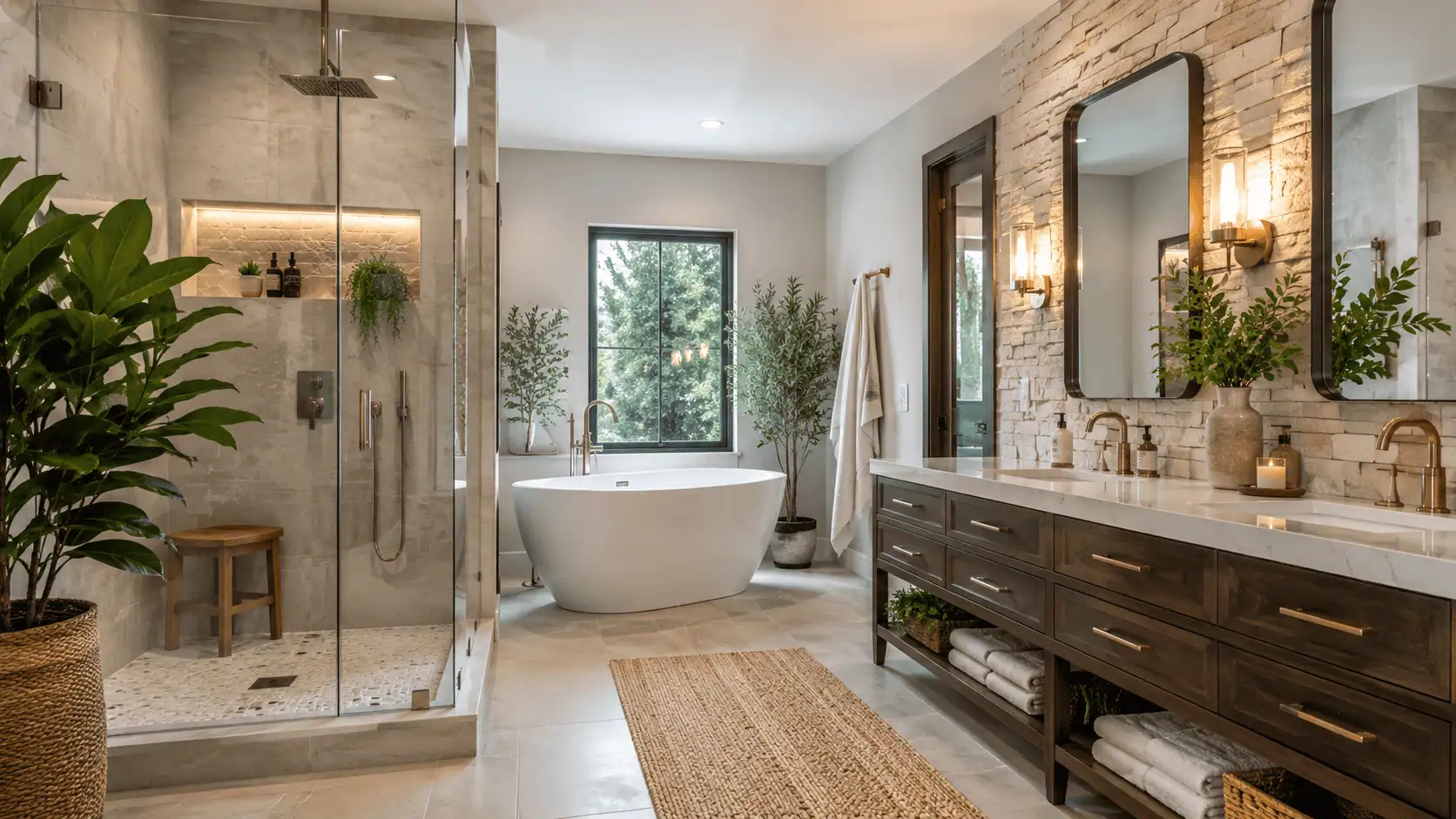
If you are looking for bathroom remodel ideas, the best place to start is not with tile colors, fixture finishes, or a dramatic before-and-after photo. The best place to start is with a clear plan. A bathroom is one of the hardest-working rooms in your home, and every detail has to perform well in a tight footprint. Water, ventilation, storage, lighting, daily routines, accessibility, durability, and long-term maintenance all need to work together. That is why the most successful bathroom remodels balance style with smart sequencing, practical design, and craftsmanship that still looks good when you are standing close to the finished work.
For homeowners in Washington, bathroom remodeling also needs to account for moisture, seasonal temperature changes, and the realities of busy households. A remodel should make your bathroom easier to use, easier to clean, and more enjoyable every day. Whether you are upgrading a dated hall bath, creating a more comfortable primary suite, improving accessibility, or simply replacing worn-out materials, the right ideas can help you make confident decisions before construction begins.
Start With the Way You Actually Use the Bathroom
Before choosing finishes, think about function. A beautiful bathroom can still feel frustrating if the layout does not match your routine. An engineer-focused approach begins by identifying how the space needs to perform.
Ask yourself:
- Who uses this bathroom most often?
- Is the current layout cramped or inefficient?
- Do you need more storage, better lighting, or improved ventilation?
- Is the shower difficult to enter or clean?
- Are there signs of moisture damage, soft flooring, or failing grout?
- Would aging-in-place features make the bathroom safer long-term?
A planning-first remodel starts with the real problems, then matches the design to those needs. This helps avoid costly changes later and creates a clear scope from the beginning.
Improve the Layout Before Upgrading the Finishes
One of the most valuable bathroom remodel ideas is to fix layout problems before spending money on surface upgrades. New tile and fixtures can make a bathroom look fresh, but if the vanity blocks movement or the shower feels too narrow, the room will still feel awkward.
Common layout improvements include:
- Replacing a bulky tub with a walk-in shower
- Moving or resizing the vanity to improve clearance
- Adding recessed storage where wall depth allows
- Widening the shower entry
- Improving door swing or switching to a pocket door when appropriate
- Creating a better separation between wet and dry zones
Not every bathroom needs a full layout change. In many cases, keeping plumbing in place helps control costs and simplifies the project timeline. The key is to evaluate whether the current layout supports the way you live. If it does, you can focus your investment on materials, comfort, and performance. If it does not, it may be worth reworking the space before the finish materials go in.
Choose a Shower That Works Hard Every Day
The shower is often the centerpiece of a bathroom remodel. It is also one of the most technically important parts of the project. Proper waterproofing, drainage, slope, wall backing, and fixture placement all matter. A shower should not just look clean on installation day. It should resist moisture, clean easily, and perform for years.
Popular shower remodel ideas include:
- A low-threshold walk-in shower for easier entry
- Large-format wall panels or tile for fewer grout lines
- Built-in niches for shampoo and soap
- A bench or corner seat for comfort
- Handheld showerheads for flexibility
- Clear glass doors to make the room feel larger
- Matte or textured floor tile for better traction
If you want a more open look, a frameless or semi-frameless glass enclosure can make a compact bathroom feel brighter. If easy maintenance is the priority, consider materials with fewer seams and simple profiles that do not trap moisture or soap residue.
Consider a Tub-to-Shower Conversion
A tub-to-shower conversion can be a smart choice when the existing tub is rarely used. Many homeowners find that a walk-in shower is more practical, safer, and easier to clean than a traditional tub. This can be especially useful in primary bathrooms, guest bathrooms, and homes where accessibility is becoming more important.
A tub-to-shower conversion can create:
- More usable standing room
- Easier entry and exit
- A cleaner, more modern look
- Better storage options inside the shower
- Improved daily convenience
However, it is important to consider resale and household needs. If your home has only one bathtub, you may want to keep a tub somewhere in the home, especially if future buyers may have young children. A good remodel plan looks at the whole house, not just one room in isolation.
Upgrade the Vanity for Storage and Workflow
The vanity affects storage, counter space, lighting, traffic flow, and the overall feel of the bathroom. A well-designed vanity can make mornings smoother and reduce countertop clutter.
Consider these vanity ideas:
- Floating vanities to make the floor area feel larger
- Drawers instead of cabinet doors for easier access
- Double sinks in larger primary bathrooms
- Integrated electrical outlets inside drawers or cabinets
- Quartz or solid-surface countertops for durability
- Undermount sinks for easier cleaning
- Tall linen cabinets where space allows
If the bathroom is small, a single sink with more counter space may be more useful than squeezing in two sinks. For shared bathrooms, drawer organization and practical storage can matter more than sink count. Think about toothbrushes, hair tools, towels, cleaning supplies, and daily products before choosing the vanity size.
Layer the Lighting
Bathroom lighting should be designed in layers. A single ceiling fixture often creates shadows, especially around the mirror. Good lighting makes the bathroom safer, more comfortable, and more functional.
A strong lighting plan may include:
- Overhead lighting for general visibility
- Vanity lighting at face level to reduce shadows
- Shower-rated lighting in enclosed shower areas
- Accent lighting for warmth and comfort
- Night lighting for safer movement after dark
Color temperature also matters. Warm white lighting can feel comfortable and flattering, while cooler lighting may feel sharper and more clinical. Many homeowners prefer lighting that is bright enough for grooming but not harsh. Dimmer switches can add flexibility, especially in primary bathrooms.
Make Ventilation a Priority
Ventilation is one of the least glamorous bathroom remodel ideas, but it is one of the most important. Bathrooms deal with daily humidity, and poor ventilation can lead to peeling paint, mildew, musty odors, and long-term moisture damage.
A good ventilation plan should consider:
- Fan size based on bathroom square footage
- Quiet operation, so the fan is actually used
- Proper exterior venting
- Timer or humidity-sensing controls
- Airflow around the shower and wet areas
In Washington homes, moisture control deserves extra attention. A remodel that looks beautiful but ignores airflow is not truly complete. Proper ventilation helps protect the investment behind the walls and on the finished surfaces.
Select Materials That Look Great and Last
Bathroom materials need to handle water, cleaning products, temperature swings, and daily use. The right choices can reduce maintenance while keeping the room attractive.
Durable material ideas include:
- Porcelain tile for floors and shower walls
- Luxury vinyl plank designed for wet areas
- Quartz countertops for stain resistance
- Moisture-resistant paint in a satin or semi-gloss finish
- Solid-surface shower surrounds for fewer seams
- Quality grout and sealants in appropriate locations
An engineer-focused remodel looks at how materials connect. For example, where does tile meet the tub or shower base? How is water directed away from vulnerable joints? How easy will the surface be to clean five years from now? These details may not be obvious in inspiration photos, but they make a major difference in long-term performance.
Add Storage Without Making the Room Feel Crowded
Many bathrooms feel cluttered because there is not enough planned storage. The solution is not always a bigger vanity. Sometimes the best storage ideas use vertical space, wall cavities, or underused corners.
Smart bathroom storage ideas include:
- Recessed medicine cabinets
- Shower niches
- Tall linen cabinets
- Over-toilet cabinets or shelving
- Vanity drawer dividers
- Built-in shelves near the tub or shower
- Hooks instead of towel bars in tight spaces
Good storage should support habits. If towels are used after every shower, they should have a logical place nearby. If cleaning products are kept in the bathroom, they should fit without crowding personal items. A remodel is the perfect time to assign a purpose to every storage zone.
Create a Safer and More Accessible Bathroom
Accessibility does not have to look clinical. Many universal design features blend naturally into modern bathrooms while making the space safer for everyone. This is especially helpful for multigenerational households or homeowners planning to stay in their homes long-term.
Consider:
- Low-threshold or curbless shower entries
- Wider shower openings
- Reinforced walls for future grab bars
- Comfort-height toilets
- Slip-resistant flooring
- Handheld showerheads
- Lever-style faucet handles
- Better lighting at night
Even if you do not need these features today, adding blocking behind shower walls for future grab bars can be a low-visibility, high-value decision. Planning ahead is often easier and less expensive than retrofitting later.
Use Color and Texture With Intention
The best bathroom designs feel calm, clean, and connected to the rest of the home. You do not need an overly trendy design to create impact. In fact, timeless choices often perform better over the long term.
Popular color and texture ideas include:
- Soft whites and warm neutrals for a bright, open feel
- Natural wood tones for warmth
- Matte black or brushed nickel fixtures for contrast
- Textured tile for subtle visual interest
- Stone-look porcelain for durability with a natural feel
- Soft green, blue, or gray accents for a spa-like mood
If you want a bold design, consider placing the strongest statement in an area that is easier to update later, such as paint, mirrors, lighting, or cabinet hardware. Permanent elements like tile and shower systems are usually better kept classic unless you are confident in a more dramatic look.
Plan the Construction Sequence Before Work Begins
A bathroom remodel involves many trades and steps, and sequencing matters. Demolition, framing, plumbing, electrical, ventilation, waterproofing, inspections, surfaces, fixtures, and finish work need to happen in the right order. Poor sequencing can lead to delays, rework, and avoidable frustration.
A planning-first contractor should help define:
- The project scope
- Material selections
- Timeline expectations
- Access paths through the home
- Protection for floors and nearby areas
- Disposal and cleanup plans
- Trade coordination
- Finish details before installation begins
This is where clear planning becomes just as important as design taste. When the scope is defined early, the project is easier to manage, and the final result is more predictable.
Think About Maintenance From the Beginning
A bathroom should be easy to live with. Some design choices look impressive but require constant cleaning or specialized care. Before selecting materials, consider how much maintenance you are comfortable with.
Lower-maintenance ideas include:
- Larger tile to reduce grout lines
- Smooth shower surrounds
- Wall-mounted toilets or vanities where appropriate
- Quality exhaust fans
- Simple faucet shapes that are easy to wipe down
- Durable countertops with minimal sealing requirements
- Shower glass with protective coating
Maintenance is not just about cleaning. It is also about serviceability. Can plumbing components be accessed if needed? Are fixtures from reputable manufacturers with available replacement parts? A thoughtful remodel considers the full life cycle of the bathroom.
Do Not Overlook Small Details
Small details can make a bathroom feel polished and intentional. These choices may seem minor, but they affect daily use.
Helpful details include:
- Towel hooks placed where they are actually needed
- Niches sized for real shampoo bottles
- Outlets located near grooming tools
- A mirror that aligns well with the lighting and vanity width
- A toilet paper holder placed within easy reach
- Shower controls located so you do not get sprayed with cold water
- A robe hook near the shower or door
- Transitions that feel smooth underfoot
These details are easier to solve before construction starts. Once tile is installed or the walls are closed, adjustments become more difficult.
Match the Remodel to Your Home’s Value and Style
A bathroom remodel should feel appropriate for the home. A high-end primary suite may justify premium tile, custom storage, and upgraded fixtures. A hall bath or guest bath may benefit more from durable surfaces, efficient layout, and clean design.
Think about:
- The age and style of the home
- The expected length of time you plan to stay
- The needs of future buyers
- The condition of nearby rooms
- The balance between budget, durability, and design
The goal is not to overspend or underspec. The goal is to make choices that fit the home, improve daily life, and hold up over time.
FAQ
What is the best first step in a bathroom remodel?
Start with a clear scope. Identify what is not working, what must change, and what can stay. This helps guide layout, budget, materials, and scheduling.
How do I choose between a bathtub and a walk-in shower?
Choose based on daily use, safety, and household needs. If the tub is rarely used, a walk-in shower may be more practical. If it is the only tub in the home, consider whether keeping one bathtub is important for resale or family use.
What bathroom upgrades add the most value?
High-value upgrades often include improved layout, walk-in showers, durable surfaces, better lighting, upgraded ventilation, and practical storage. Quality installation is just as important as product selection.
How can I make a small bathroom feel bigger?
Use light colors, clear glass shower doors, floating or right-sized vanities, recessed storage, large mirrors, and good lighting. Reducing visual clutter can make a major difference.
What materials are best for a low-maintenance bathroom?
Porcelain tile, quartz countertops, solid-surface shower systems, quality vinyl flooring rated for wet areas, and moisture-resistant paint are all strong options. Fewer seams and grout lines usually mean easier cleaning.
Should I move plumbing during a remodel?
Move plumbing only when the layout improvement justifies the added cost and complexity. Keeping plumbing in place can simplify the project, but changing it may be worthwhile if the current layout is inefficient.
How important is bathroom ventilation?
Ventilation is extremely important. A properly sized, correctly vented fan helps control humidity, reduce mildew risk, and protect finishes from moisture damage.
Can a bathroom be stylish and accessible?
Yes. Low-threshold showers, handheld showerheads, reinforced walls, slip-resistant flooring, and better lighting can all be integrated into a beautiful design without making the room feel institutional.
How do I avoid surprises during a bathroom remodel?
Work with a contractor who emphasizes planning, clear scope, clean sequencing, and communication. Some hidden conditions can only be discovered after demolition, but strong planning reduces preventable surprises.
What should I prioritize if my budget is limited?
Prioritize waterproofing, ventilation, layout function, durable surfaces, and quality installation. Cosmetic upgrades are important, but performance details protect the remodel long-term.
Ready to Remodel Your Bathroom?
A great bathroom remodel begins with practical ideas, a clear plan, and craftsmanship that performs long after the project is finished. Evergreen Home Exteriors is a Washington remodeling contractor focused on planning-first project delivery, including clear scope, clean sequencing, and close-up craftsmanship that looks great and performs long-term. Call now for your FREE, no-pressure consultation with us today and start planning a bathroom that works beautifully for your home.