

How to Finance a Kitchen Remodel Without Breaking the Bank
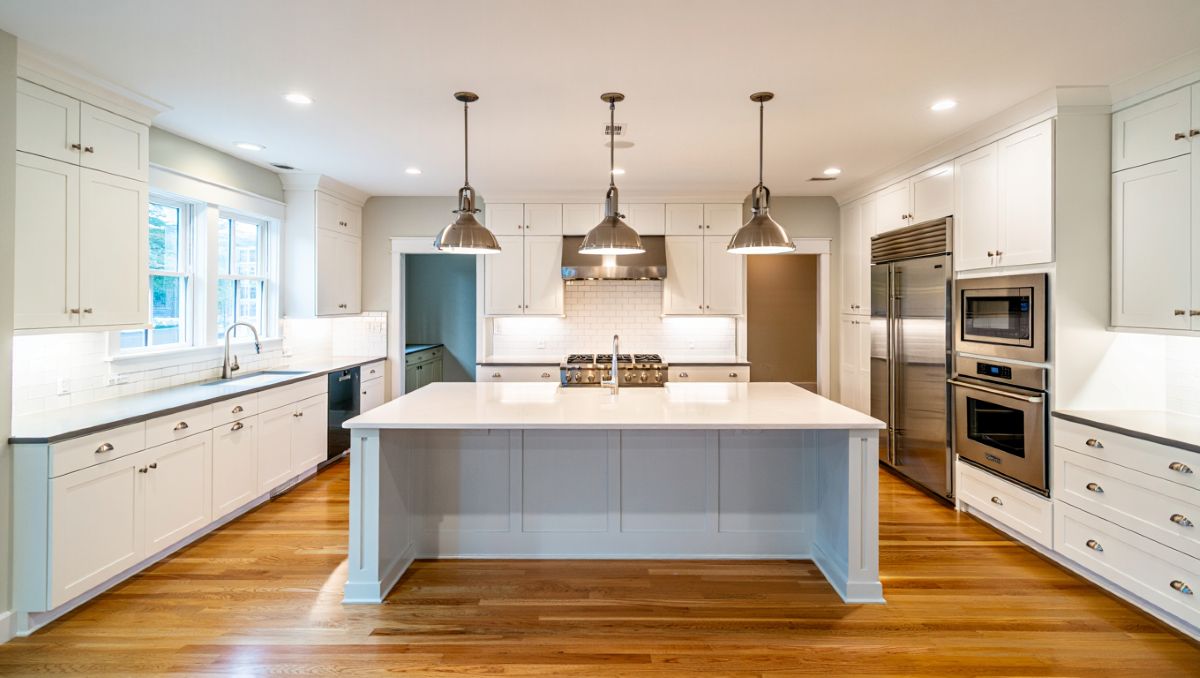
A kitchen remodel is one of the most rewarding home improvement projects you can take on, but it is also one of the most financially complex. Cabinets, countertops, appliances, plumbing, electrical work, and finishes all add up quickly. Many homeowners delay or downsize their plans because they are unsure how to pay for it responsibly. Understanding how to finance a kitchen remodel is just as important as choosing the right layout or materials, because a well-planned budget keeps the project efficient, stress-free, and aligned with your long term financial goals. With the right strategy and a practical, engineering-minded approach, you can transform your kitchen without putting unnecessary strain on your household finances.
Start With a Clear Scope and Cost Breakdown
Before looking at financing options, you need a clear understanding of what you are building. From an engineering perspective, cost control starts with defining the scope. Vague goals lead to budget creep, while precise specifications lead to predictable outcomes.
Begin by identifying the functional goals of your kitchen remodel. Are you improving workflow, adding storage, upgrading outdated systems, or increasing resale value? Each objective affects cost differently.
A thorough cost breakdown typically includes:
- Design and planning fees
- Demolition and disposal
- Structural changes if walls are moved
- Electrical and plumbing upgrades
- Cabinets and hardware
- Countertops and backsplash
- Flooring
- Appliances
- Labor and project management
- Permit fees and inspections
- Contingency buffer for unforeseen issues
From a technical standpoint, a contingency of 10 to 15 percent is not optional. Older homes, especially, may reveal hidden issues once demolition begins. Planning for these variables prevents financing shortfalls mid-project.
Set a Realistic Budget Using Data, Not Emotion
Many homeowners budget based on inspirational photos or national averages without accounting for local labor rates or the condition of their existing kitchen. A more reliable method is to use real data from professional estimates and align it with your financial capacity.
Engineers rely on constraints to guide decisions, and your budget should function the same way. Establish a maximum project cost that does not compromise your emergency savings or monthly cash flow. Then work backward to prioritize features that deliver the most functional value per dollar.
For example:
- Soft-close cabinets may improve longevity and usability
- Improved lighting design increases efficiency and safety
- Upgrading electrical capacity supports modern appliances and future needs
When your budget is grounded in function and durability, financing becomes a tool rather than a risk.
Pay With Cash When Possible and Strategic
Paying with cash is the simplest financing method and eliminates interest costs entirely. However, draining savings for a remodel can create financial vulnerability. The key is to use cash strategically rather than emotionally.
Cash may be best applied to:
- Design and planning fees
- Early project phases, such as demolition
- Portions of the project that do not qualify for financing
From a risk management perspective, it is wise to maintain an emergency fund equal to three to six months of expenses, even after paying for part of the remodel in cash. If using cash means eliminating that buffer, a financing option may actually be the safer choice.
Consider Home Equity Loans and HELOCs
Home equity-based financing is one of the most popular and cost-effective ways to fund a kitchen remodel. These options leverage the value you have already built in your home.
A home equity loan provides a lump sum with a fixed interest rate and predictable monthly payments. This is ideal if your project cost is well defined and you prefer payment stability.
A home equity line of credit, often called a HELOC, functions more like a credit card with a revolving balance. You draw funds as needed and pay interest only on what you use.
Key engineering style considerations include:
- Interest rates are typically lower than unsecured loans
- Interest may be tax-deductible depending on current tax laws
- Your home is used as collateral, increasing risk if payments are missed
- HELOC rates are often variable, introducing long-term uncertainty
If your remodel involves phased work or potential design changes, a HELOC offers flexibility. If your design is finalized and fixed, a home equity loan provides predictability.
Explore Contractor Financing Programs
Many full-service remodeling companies offer financing options through trusted lending partners. These programs are designed specifically for home improvement projects and often streamline approval and payment.
Advantages of contractor financing include:
- Faster approval compared to traditional bank loans
- Bundled project and financing coordination
- Promotional offers such as deferred interest periods
- Single point of accountability for budget and scope
From a systems integration perspective, contractor financing reduces friction between design, construction, and payment. This can significantly reduce delays and change orders caused by funding gaps.
Always review interest rates, repayment terms, and penalties carefully. Deferred interest plans can be useful, but only if the balance is paid off within the promotional window.
Use Personal Loans for Smaller or Partial Remodels
Personal loans are unsecured loans that can be used for nearly any purpose. They are typically faster to obtain but carry higher interest rates than home equity options.
Personal loans may be appropriate if:
- Your remodel is modest in scope
- You lack sufficient home equity
- You want to avoid using your home as collateral
- You need quick access to funds
From a cost efficiency standpoint, personal loans should be used for shorter repayment periods. Long-term financing at high interest rates reduces the overall value of the remodel.
Leverage Credit Cards Carefully and Intentionally
Credit cards are not ideal for financing an entire kitchen remodel, but they can be useful tools when used with precision.
Potential strategic uses include:
- Purchasing appliances with cash back or reward points
- Covering short-term expenses with a zero percent introductory APR
- Managing small overruns while awaiting loan disbursement
Engineers manage risk by limiting exposure. The same principle applies here. Never carry large balances on high-interest cards without a clear payoff plan. Always track utilization to avoid credit score impacts.
Phase the Remodel to Reduce Financial Load
If budget constraints are tight, phasing the remodel can make the project more manageable. This approach spreads costs over time and allows you to finance smaller portions sequentially.
Common phasing strategies include:
- Structural and system upgrades first
- Cabinets and countertops second
- Appliances and finishes last
From a construction sequencing standpoint, this method requires careful planning to avoid rework. A design-build firm can help ensure that early phases are compatible with later upgrades.
Factor in Return on Investment and Long-Term Value
A kitchen remodel is not just an expense. It is an investment in functionality, energy efficiency, and home value. According to industry data, kitchens often deliver one of the highest returns on investment among remodeling projects.
Engineering-focused improvements that increase value include:
- Energy-efficient appliances
- Improved insulation and ventilation
- Durable materials with long service life
- Modern electrical and plumbing systems
When evaluating financing options, consider how long you plan to stay in the home. If the remodel improves resale value or reduces operating costs, financing at a reasonable interest rate may be justified.
Avoid Common Financing Mistakes
Many remodeling budgets fail not because of cost, but because of planning errors. Avoid these common pitfalls to keep your project financially sound.
Mistakes to avoid:
- Underestimating total project cost
- Ignoring permit and inspection fees
- Choosing financing without understanding variable rates
- Overextending monthly payment obligations
- Failing to include a contingency reserve
A disciplined approach to financing mirrors good engineering practice. Anticipate failure points, plan redundancies, and verify assumptions before execution.
Work With a Design Build Partner Who Understands Budget Engineering
One of the most effective ways to control financing is to work with a full-service remodeling company that integrates design, construction, and budgeting from the start. This reduces miscommunication and aligns the project with real-world constraints.
A design-build team evaluates:
- Structural feasibility
- Material performance
- Installation complexity
- Long-term maintenance costs
- Budget impact of design decisions
When these variables are considered together, financing becomes predictable rather than reactive.
Partner with Us Today
Learning how to finance a kitchen remodel does not require sacrificing quality or peace of mind. It requires a methodical approach that balances cash flow, risk, and long-term value. By defining scope clearly, selecting the right financing tools, and working with experienced professionals, you can achieve a high-performing kitchen that supports your lifestyle without breaking the bank.
If you are ready to take the next step, Evergreen Home Exteriors is here to help. Established more than 20 years ago by founders Jon and Anne Marie, Evergreen has always been a family-first company. Since 1998, Evergreen has specialized in all phases of home remodeling, offering full-service design-build solutions focused on quality, safety, and long-term value. Our experienced team understands the technical and financial aspects of remodeling and will help guide your project from concept to completion with clarity and care. Contact us to get started on your kitchen remodeling project today and turn your vision into a space your family will enjoy for years to come.