

Walk-In Shower Conversions That Modernize Any Bathroom
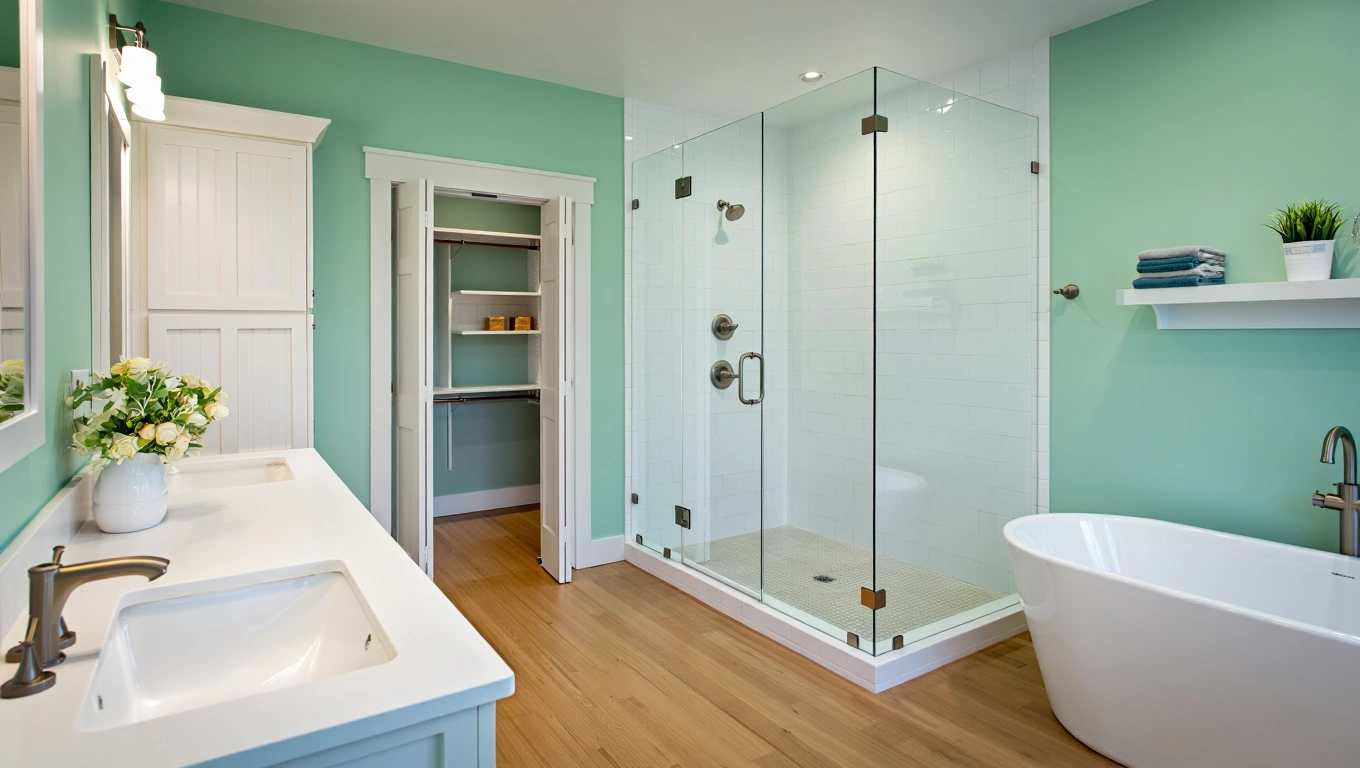
If your bathroom feels dated, cramped, or difficult to use, a walk-in shower conversion may be the most impactful upgrade you can make. More than a cosmetic refresh, this type of remodel rethinks how water, space, structure, and daily routines intersect. When engineered and sequenced correctly, a walk-in shower transforms both the performance and the aesthetics of your bathroom. For homeowners in Washington who value thoughtful planning and craftsmanship that stands up over time, a well-executed shower conversion delivers measurable improvements in safety, durability, and long-term value.
Why Homeowners Are Choosing Walk-In Showers
Traditional tub shower combinations were once the default. Today, many homeowners are prioritizing accessibility, efficient layouts, and a streamlined appearance. Walk-in showers answer all three needs.
From a design standpoint, eliminating the bulky tub apron and curtain rod instantly opens visual space. From a functional standpoint, stepping over a high tub wall is no longer necessary. From a construction standpoint, a shower conversion allows for modern waterproofing systems and more precise drainage control.
Homeowners often cite these motivations:
- Aging in place considerations
- Improved daily convenience
- Easier cleaning and maintenance
- Better use of limited square footage
- A more contemporary, architectural look
When approached with a planning-first mindset, these upgrades are not just stylistic changes. They are structural improvements.
The Engineering Behind a Successful Conversion
A walk-in shower conversion may look simple from the outside, but the underlying systems matter most. The difference between a shower that performs for decades and one that develops leaks often comes down to what you cannot see.
Key technical considerations include:
Subfloor Integrity
Before any tile or pan is installed, the subfloor must be evaluated for:
- Deflection under load
- Moisture damage
- Fastener integrity
- Proper slope potential
In many Washington homes, particularly older properties, minor reinforcement may be required to meet modern tile and waterproofing standards.
Waterproofing Systems
Modern shower assemblies rely on layered waterproofing rather than surface tile alone. This often includes:
- A bonded waterproof membrane system
- Sealed seams and corners
- Integrated drain assemblies
- Properly sloped mortar beds or preformed pans
Precision in these steps ensures water is directed exactly where intended. No guesswork. No reliance on grout as a moisture barrier.
Drainage and Slope
Water management is engineering in action. A properly constructed shower floor requires a consistent slope toward the drain, typically one-quarter inch per foot. Even minor inconsistencies can lead to standing water, mineral buildup, or long-term staining.
Linear drains are increasingly popular in modern designs because they:
- Allow for larger format tile
- Simplify slope direction
- Create a cleaner aesthetic
However, they must be aligned and installed with exacting tolerances to avoid performance issues.
Design Elements That Modernize the Space
While performance is foundational, aesthetics bring the transformation to life. A walk-in shower provides a blank canvas for contemporary design without sacrificing practicality.
Frameless Glass Enclosures
Frameless glass panels:
- Expand visual space
- Increase natural light distribution
- Reduce visual clutter
- Offer easier cleaning compared to framed systems
When anchored correctly into blocking behind finished walls, they provide structural stability without heavy hardware.
Large Format Tile
Large tile panels minimize grout lines and create a cohesive look. Beyond aesthetics, fewer grout joints mean:
- Less opportunity for staining
- Reduced maintenance
- Improved water shedding characteristics
Proper substrate preparation is essential to support larger tiles without lippage or cracking.
Built-In Niches and Benches
Thoughtful storage and seating elevate functionality. Integrated niches eliminate the need for hanging caddies and are waterproofed as part of the wall assembly. Benches add comfort and accessibility when properly supported and sloped to prevent pooling.
Accessibility and Aging in Place Benefits
One of the strongest advantages of a walk-in shower conversion is improved accessibility. Even if mobility is not currently a concern, planning ahead increases long-term usability.
Barrier-free or low-threshold entries:
- Reduce tripping hazards
- Simplify entry and exit
- Accommodate mobility aids if needed
Additional features can include:
- Reinforced walls for future grab bar installation
- Slip-resistant tile surfaces
- Handheld shower heads with adjustable height
- Wider entry clearances
Engineering these features during the remodel phase ensures structural readiness without compromising design.
Space Optimization in Smaller Bathrooms
Many Washington homes have bathrooms where every inch counts. Removing a tub often frees up valuable square footage that can be reallocated.
Common layout improvements include:
- Expanding vanity width
- Adding linen storage
- Improving door swing clearance
- Increasing walkable floor area
A well-planned conversion considers plumbing relocation, venting constraints, and load-bearing walls before any demolition begins. Clean sequencing prevents unnecessary rework and keeps the project efficient.
Energy and Water Efficiency
Modern shower fixtures offer measurable efficiency gains. High-performance shower valves and heads are engineered to:
- Maintain stable temperature
- Optimize water flow
- Reduce overall water usage
Thermostatic mixing valves, for example, maintain consistent output temperature even when other fixtures in the home are in use. This protects against sudden temperature spikes and improves comfort.
Water-efficient fixtures can lower utility bills while reducing strain on septic or municipal systems.
Durability and Long-Term Value
A walk-in shower conversion is not simply an upgrade for today. It is an investment in the structure of your home. When executed with precision, it can increase resale appeal and reduce future repair costs.
Long-term performance depends on:
- Correct substrate preparation
- High-quality waterproofing materials
- Skilled tile installation
- Proper ventilation
Moisture management extends beyond the shower assembly. Adequate bathroom ventilation prevents condensation buildup, protecting paint, trim, and framing.
Craftsmanship matters most at close inspection. Straight grout lines, aligned tile patterns, crisp caulking joints, and smooth glass transitions signal a project done right.
The Planning-First Advantage
The success of any remodeling project hinges on planning. A conversion should never begin with demolition alone. Instead, it should begin with:
- A clearly defined scope of work
- Detailed measurements
- Material selection finalized in advance
- A sequencing plan for plumbing, electrical, framing, and finish work
Clear scope prevents surprises. Clean sequencing minimizes downtime. Engineering clarity ensures the final product performs as designed.
In Washington’s climate, moisture resilience is especially important. Exterior humidity, seasonal changes, and interior heating cycles all affect building materials. Choosing compatible materials and installing them in the proper order safeguards long-term durability.
Common Mistakes to Avoid
Not all shower conversions are equal. Homeowners should be aware of shortcuts that compromise performance.
Watch for:
- Skipping full waterproof membrane systems
- Improperly sloped pans
- Inadequate wall reinforcement for glass
- Tile installed over unstable substrates
- Poor ventilation planning
These issues may not be visible immediately, but over time, they lead to leaks, cracked grout, or mold concerns.
Selecting a contractor who prioritizes engineering detail and structured project delivery significantly reduces these risks.
Customization Without Compromise
A modern walk-in shower can be tailored to reflect your style while still meeting structural best practices.
Popular customization options include:
- Contrasting tile inlays
- Matte black or brushed nickel fixtures
- Heated tile floors
- Integrated LED niche lighting
- Natural stone or porcelain slab walls
The key is ensuring aesthetic upgrades are supported by proper backing, waterproofing, and electrical planning. Design and engineering must work together.
Timeline and What to Expect
While each project varies, a properly sequenced walk-in shower conversion typically includes:
- Demolition and disposal
- Framing modifications if required
- Plumbing rough-in adjustments
- Electrical updates for lighting or ventilation
- Subfloor preparation
- Waterproofing installation
- Tile setting and curing
- Glass measurement and installation
- Fixture trim out and final inspection
Clear communication throughout each stage keeps homeowners informed and confident. Minimizing disruption while maintaining precision is the hallmark of a well-managed remodel.
Why Washington Homeowners Trust Planning Focused Contractors
Remodeling is about more than aesthetics. It is about building science, water control, structural integrity, and finish quality. In Washington, where moisture management is critical, attention to detail is not optional.
A contractor who approaches remodeling with an engineer’s mindset will:
- Evaluate load paths before altering framing
- Confirm plumbing code compliance
- Ensure proper ventilation sizing
- Verify substrate flatness and strength
- Sequence trades logically to protect finished surfaces
This level of discipline results in bathrooms that look impressive from a distance and hold up under daily use.
Ready to Modernize Your Bathroom?
A walk-in shower conversion offers a powerful combination of beauty, function, and forward-thinking design. When executed with clear scope, clean sequencing, and craftsmanship that performs long-term, it becomes one of the most valuable upgrades you can make to your home.
If you are considering modernizing your bathroom, partner with a team that prioritizes planning and precision. Evergreen Home Exteriors is a Washington remodeling contractor committed to thoughtful project delivery and workmanship that looks great up close and stands the test of time.
Schedule your FREE, no-pressure consultation today and take the first step toward a bathroom built with clarity, confidence, and craftsmanship.
Frequently Asked Questions
How long does a walk-in shower conversion take?
Most walk-in shower conversions can be completed in 1 to 3 days, depending on the scope of the project and any plumbing or structural updates required.
Are walk-in showers a good investment for resale value?
Yes, walk-in showers are highly desirable among modern buyers and can increase your home’s appeal and overall resale value.
Can a walk-in shower be installed in a small bathroom?
Absolutely. Walk-in showers are ideal for small bathrooms because they create a more open and spacious feel compared to traditional tubs.
Are walk-in showers safer than traditional tubs?
Walk-in showers reduce the risk of slips and falls by eliminating high step-over thresholds and can include safety features like grab bars and non-slip flooring.
What customization options are available?
Homeowners can choose from various tile styles, glass enclosures, fixtures, built-in seating, and storage niches to match their design preferences.