

Transform Your Outdoor Space with Expert Patio Installers
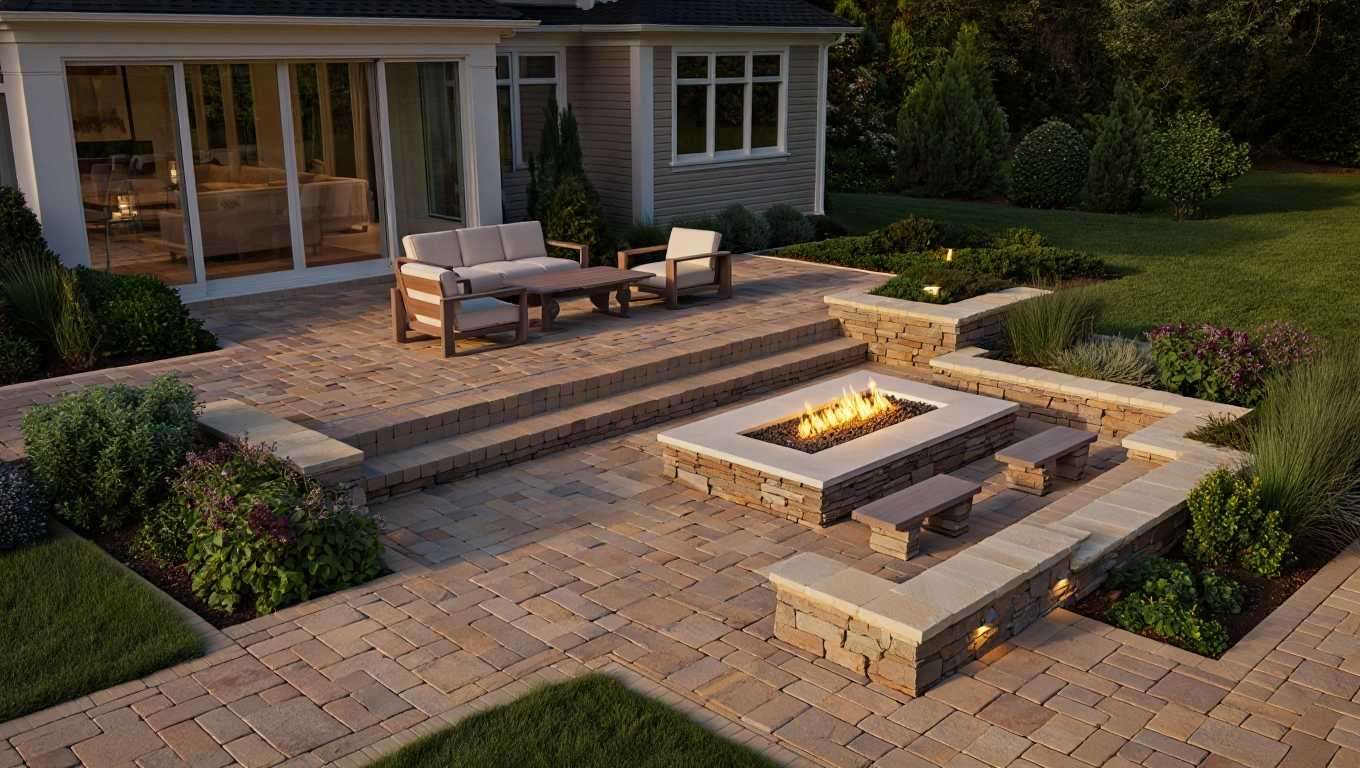
Your backyard has the potential to become one of the most functional and rewarding areas of your home, especially when experienced patio installers guide the project from concept to completion. A well-designed patio is more than a slab of concrete or a collection of pavers. It is a carefully engineered extension of your living space that must manage drainage, structural loads, soil conditions, and long-term wear while still delivering beauty and comfort. When you approach patio construction with a planning-first mindset, you create an outdoor environment that performs reliably through Washington’s wet seasons and looks exceptional up close for years to come.
Why a Patio Is More Than Just an Outdoor Surface
Many homeowners initially think of a patio as a simple hard surface for furniture and grilling. In reality, a properly built patio is a structural system. It interacts with your home’s foundation, the surrounding grade, and local weather patterns. In Washington, heavy rainfall and fluctuating temperatures demand careful design. Without thoughtful planning, patios can settle unevenly, trap water against the home, or develop surface cracking.
An engineer-focused approach considers several critical factors from the start:
- Soil bearing capacity and compaction requirements
- Base preparation and aggregate thickness
- Drainage slopes and water diversion strategies
- Expansion joints and movement control
- Integration with adjacent structures such as decks, steps, and retaining walls
When each of these elements is addressed clearly in the project scope, you reduce surprises during construction and minimize costly repairs later.
The Planning-First Difference
A planning-first project delivery model is not just a marketing phrase. It is a disciplined process that protects your investment. Instead of improvising in the field, professional contractors define the scope, sequencing, materials, and performance expectations before breaking ground.
Clear scope means every detail is identified early:
- Exact patio dimensions
- Material selections and finish specifications
- Edge restraints and border treatments
- Drainage solutions
- Tie-ins to existing structures
Clean sequencing ensures that the work progresses logically and efficiently. For example, excavation and base preparation must be fully completed and inspected before pavers or concrete are installed. Utilities, irrigation lines, and lighting conduits are placed before surfaces are finalized. This structured approach reduces rework and keeps your property organized during construction.
Craftsmanship that looks great up close reflects precision. Straight lines are actually straight. Paver joints are uniform. Concrete edges are crisp. Slopes are subtle but effective. These details may seem small individually, but together they define the quality of the finished space.
Choosing the Right Patio Materials
Material selection plays a major role in both aesthetics and long-term performance. Different options provide different benefits depending on your goals, budget, and maintenance preferences.
Concrete patios are versatile and cost-effective. They can be:
- Broom finished for a clean, slip-resistant surface
- Stamped to mimic stone or brick
- Colored for a customized look
- Saw cut for decorative joint patterns
However, concrete requires proper joint placement and reinforcement to manage cracking. Subgrade preparation is especially critical to prevent settlement.
Interlocking pavers offer flexibility and durability. Because they are installed as individual units over a compacted base, they can accommodate minor ground movement better than large concrete slabs. Benefits include:
- Wide range of colors and textures
- Easy spot repairs if damage occurs
- Built-in joint spacing for drainage
Natural stone provides a high-end, organic aesthetic. It works beautifully in landscapes with varied elevations or rustic design themes. Proper base support and edge restraint are essential to prevent shifting over time.
An experienced contractor will evaluate your property conditions and help you choose materials that align with your structural needs and visual preferences.
Engineering for Drainage and Longevity
In Washington, moisture management is one of the most important aspects of patio construction. Water must be directed away from your home and prevented from pooling on the surface.
Effective drainage design includes:
- Establishing a minimum slope away from the house, typically around one-eighth to one-quarter inch per foot, depending on material
- Installing permeable base layers where appropriate
- Integrating channel drains or area drains in low spots
- Ensuring downspouts discharge away from patio surfaces
Ignoring these details can lead to water intrusion, frost heave, and premature surface deterioration. When patio installers treat drainage as a primary design criterion rather than an afterthought, the result is a space that performs consistently through seasons of rain and temperature change.
Integrating Your Patio with the Rest of Your Home
A patio should feel intentional, not like an add-on. Proper integration considers elevation, traffic flow, and architectural style.
Elevation planning ensures smooth transitions from interior to exterior spaces. Step heights should be consistent and safe. Door thresholds must remain protected from water intrusion. In some cases, minor grading adjustments or retaining features are needed to achieve a seamless connection.
Traffic flow design looks at how people will use the space. Consider:
- Direct pathways from kitchen to grill
- Clear circulation around dining and seating areas
- Access to yard features such as gardens or play areas
Architectural harmony matters as well. The color and texture of your patio materials should complement your siding, trim, and roofing. Thoughtful alignment of joints or paver patterns with house lines creates a cohesive visual effect.
Outdoor Living Features That Elevate Functionality
Once the foundational patio structure is established, you can incorporate features that enhance usability and enjoyment.
Popular additions include:
- Built-in seating walls
- Outdoor kitchens with grills and prep space
- Fire pits or fireplaces
- Pergolas or covered structures
- Integrated lighting systems
Each feature introduces additional engineering considerations. Fire features require proper clearances and non-combustible materials. Outdoor kitchens need adequate support for appliances and careful planning for gas and electrical connections. Lighting should be installed with protected wiring and long-term serviceability in mind.
By addressing these details during the design phase, you avoid piecemeal additions that compromise structural integrity or aesthetics.
The Importance of Proper Base Preparation
No matter how beautiful the surface material, the true strength of a patio lies beneath it. Base preparation is often the most labor-intensive portion of the project, yet it is the least visible after completion.
Key steps typically include:
- Excavating to the correct depth based on soil type and load requirements
- Removing organic material and unstable soils
- Installing and compacting layers of crushed aggregate
- Verifying compaction levels to reduce future settlement
Skipping or rushing these steps may not show immediate consequences, but over time, uneven settling and surface failure can occur. An engineer-focused contractor prioritizes compaction and soil stability because long-term performance depends on it.
Long-Term Performance and Maintenance
A professionally installed patio should provide decades of service with reasonable maintenance. However, no outdoor surface is entirely maintenance-free.
Concrete patios may require:
- Periodic cleaning to prevent staining
- Resealing if a decorative finish was applied
- Monitoring joints for separation or spalling
Paver patios benefit from:
- Occasional joint sand replenishment
- Weed control in joints if necessary
- Surface cleaning to maintain appearance
Regular inspections help catch minor issues before they become larger structural problems. When you work with experienced professionals, you also gain guidance on how to care for your investment properly.
Why Expertise Matters
Not all contractors approach patio construction with the same level of discipline. Choosing experienced professionals reduces risk and increases confidence in the final outcome.
Look for a team that:
- Provides a detailed written scope of work
- Explains drainage strategy clearly
- Outlines construction sequencing in advance
- Uses quality materials appropriate for local conditions
- Demonstrates attention to detail in previous projects
In Washington’s climate, precision matters. Proper slopes, compaction, and integration with existing structures are not optional details. They are essential components of a patio that perform reliably over time.
Bringing Your Vision to Life with Evergreen Home Exteriors
When you are ready to transform your outdoor space, partnering with a contractor who values planning, precision, and performance makes all the difference. Evergreen Home Exteriors is a Washington remodeling contractor committed to planning-first project delivery. That means clear scope definitions, clean sequencing, and craftsmanship that looks exceptional up close and stands up to long-term use.
From the initial consultation through final walkthrough, the focus remains on:
- Defining your goals and functional requirements
- Engineering solutions for drainage and stability
- Selecting materials that complement your home
- Executing each phase with disciplined attention to detail
Your patio should be a place where family and friends gather comfortably, without concerns about uneven surfaces or standing water. With a thoughtful design and a structured construction process, your backyard can become a reliable extension of your home.
If you are considering a new patio or upgrading an existing one, now is the time to take the first step. Schedule your FREE, no-pressure consultation with us today and discover how expert planning and craftsmanship can transform your outdoor space into a durable, beautiful retreat built for Washington living.
Frequently Asked Questions
What materials are best for building a patio?
Popular patio materials include concrete, pavers, natural stone, and brick, each offering different aesthetics, durability, and maintenance requirements.
How long does it take to install a patio?
Most patio installations take between 3 to 7 days depending on size, material, and site preparation needs.
Do I need permits to build a patio?
Permit requirements vary by location, but many municipalities require permits for larger patios or those with structural elements like covers or retaining walls.
Can a patio increase my home’s value?
Yes, a professionally installed patio enhances outdoor living space and can significantly boost curb appeal and property value.
What maintenance does a patio require?
Maintenance depends on the material but typically includes occasional cleaning, sealing (for certain materials), and checking for settling or joint issues.