

Siding Replacement Cost Factors Every Homeowner Should Know
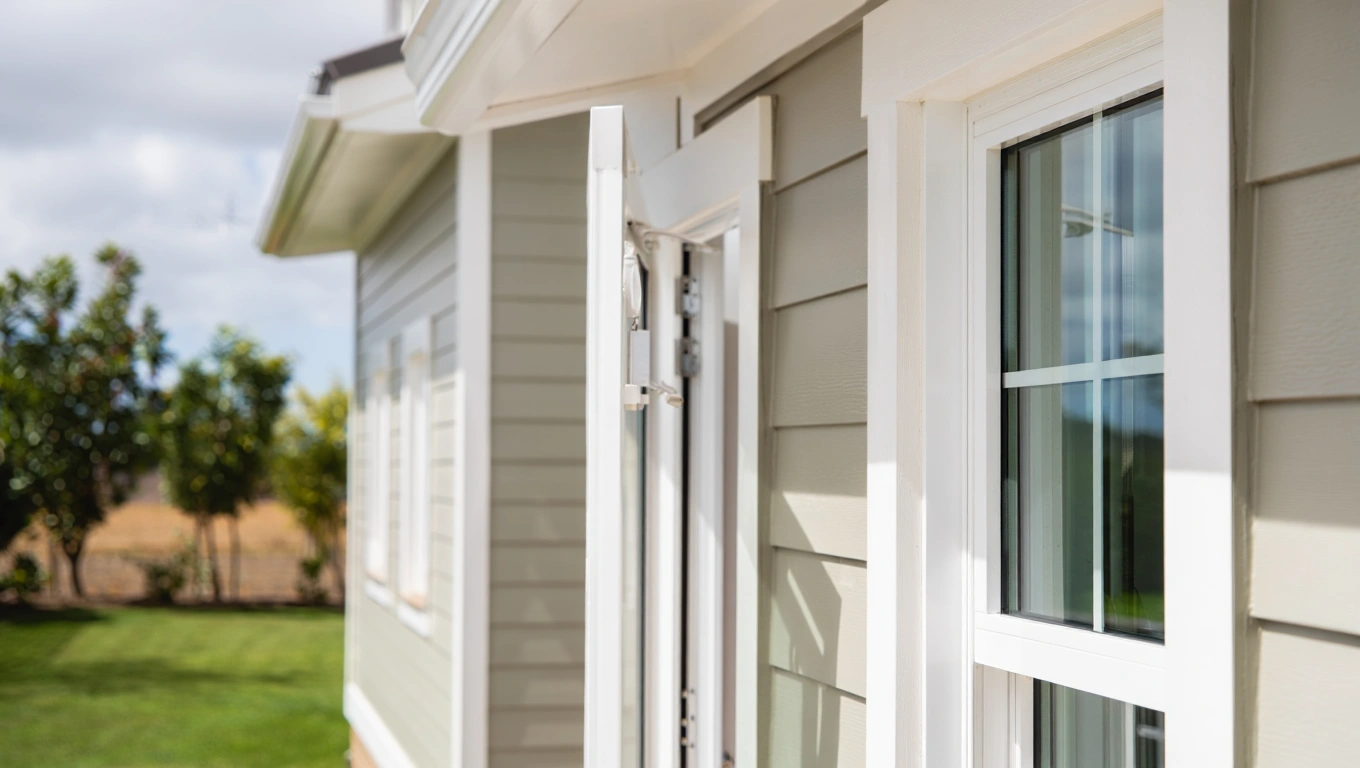
If you are researching siding replacement cost, you are likely balancing curb appeal, durability, and long-term value. Replacing siding is not just a cosmetic update. It is a building science decision that affects moisture control, insulation performance, structural longevity, and even indoor comfort. Understanding what drives the numbers behind a siding project helps you plan with confidence and avoid surprises. As with most exterior remodeling, the final investment depends on materials, labor complexity, existing conditions, and the quality of planning that goes into the project. Below, we break down the most important cost factors every homeowner should understand before starting a siding replacement.
Material Selection and Performance Characteristics
Material choice is one of the most visible and influential components of siding replacement cost. Different siding products vary significantly in raw material price, installation requirements, maintenance needs, and life expectancy. Each option comes with tradeoffs in strength, weather resistance, and long-term value. Common siding materials include:
- Fiber cement
• Engineered wood
• Vinyl
• Natural wood
• Metal
Fiber cement siding is known for its durability, fire resistance, and dimensional stability in wet climates like Washington. It typically costs more than vinyl but less than premium hardwoods. Engineered wood siding offers a wood look with improved moisture resistance and often falls in the mid-range for cost. Vinyl is generally the most budget-friendly upfront, but it may not offer the same rigidity or impact resistance as fiber cement. Natural wood delivers warmth and architectural authenticity, but it requires ongoing maintenance and can be more vulnerable to moisture if not detailed correctly. Metal siding, including steel or aluminum, offers durability and a modern aesthetic but may come at a higher price point depending on profile and finish. When comparing materials, consider more than the initial price per square foot. Evaluate lifecycle performance, maintenance requirements, repainting cycles, and how well the material handles the Pacific Northwest climate.
Home Size and Surface Area Calculations
The overall square footage of your home’s exterior directly impacts siding replacement cost. Contractors calculate siding in squares, where one square equals 100 square feet. Larger homes naturally require more material and labor. However, raw size is only part of the equation. Complex geometry can increase costs even if the total square footage is moderate. Features that add complexity include:
- Multiple stories
• Dormers and gables
• Bay windows
• Architectural bump-outs
• High peaks or vaulted sections
Each additional angle, transition, or elevation change requires careful measuring, cutting, and flashing. More complex homes take longer to complete and generate more material waste. From an engineering standpoint, every penetration and transition also represents a potential moisture intrusion point, so detailed installation is essential.
Removal of Existing Siding and Disposal
Another major cost factor is demolition and disposal. If your current siding must be fully removed, crews will need to account for labor time, dumpster fees, and proper disposal of debris. In some cases, old siding may contain hazardous materials such as lead paint or asbestos, which require specialized abatement procedures and can significantly increase costs. Removing old siding also exposes the underlying sheathing. This is when hidden issues often surface, such as rot, mold, or structural damage. While uncovering these problems can temporarily increase project cost, addressing them during siding replacement is far more economical than allowing hidden damage to worsen over time.
Sheathing Condition and Structural Repairs
Once siding is removed, the wall assembly becomes visible. This stage is critical. If the sheathing has been compromised by moisture infiltration, it must be repaired or replaced. Structural repairs can include:
- Replacing rotted plywood or OSB
• Reinforcing framing members
• Correcting improper window flashing
• Repairing water-damaged insulation
From a building science perspective, siding is only one layer of the wall system. The true performance of your exterior depends on how well all components work together. Investing in proper sheathing repair ensures that your new siding performs as intended for decades.
Moisture Barriers and Weather-Resistant Systems
In Washington’s damp climate, moisture management is not optional. A high-quality weather-resistant barrier and flashing system is essential for long-term durability. Upgrading house wrap, adding rainscreen systems, or installing advanced flashing around windows and doors can influence siding replacement cost. These upgrades are often worthwhile because they:
- Improve drainage behind siding
• Reduce the risk of trapped moisture
• Enhance drying potential
• Extend siding lifespan
A planning-first approach evaluates how water flows across and behind the cladding. Proper sequencing of flashing, tape, and siding panels ensures that gravity directs water outward rather than into the wall assembly.
Insulation and Energy Efficiency Improvements
Siding replacement offers a strategic opportunity to improve insulation and energy performance. If the wall cavity is accessible, homeowners may choose to upgrade insulation or add continuous exterior insulation. Options include rigid foam boards or mineral wool installed beneath the siding. While these upgrades increase initial cost, they can:
- Improve thermal performance
• Reduce heating and cooling loads
• Minimize thermal bridging
• Increase overall home comfort
Energy improvements should be evaluated holistically. A well-sealed and properly insulated wall assembly can reduce long-term operating costs and improve indoor air quality.
Labor Complexity and Craftsmanship
Labor is a substantial component of siding replacement cost. Skilled installation requires precision cutting, proper fastening patterns, accurate spacing, and correct flashing integration. Inexperienced installation can compromise even the best materials. Homes with difficult access conditions, such as steep slopes or limited yard space, may require scaffolding or specialized equipment, increasing labor time. Multi-story homes also require additional safety measures. Craftsmanship matters not just for aesthetics but for performance. When siding panels align correctly and trim details are tight, the system sheds water effectively and resists wind loads more reliably.
Trim, Soffits, and Fascia Integration
Siding rarely stands alone. Trim boards, soffits, and fascia often need to be replaced or updated simultaneously. Matching old trim to new siding can be challenging, especially if dimensions differ. Coordinating these components ensures a cohesive appearance and proper weather sealing. Additional elements that may affect cost include:
- Window and door trim upgrades
• Decorative accents
• Corner boards
• Vent replacements
• Gutter removal and reinstallation
Integrating these components during a siding project is typically more efficient than tackling them separately.
Permits and Local Building Requirements
Most municipalities in Washington require permits for exterior siding replacement. Permit fees vary by location and are typically based on project valuation. Code compliance may also require specific fastening schedules, fire resistance ratings, or moisture management systems. Working with a licensed contractor familiar with local codes helps streamline approvals and avoid costly corrections. An organized planning phase ensures that drawings, specifications, and inspection sequencing align with local requirements.
Timing, Seasonality, and Scheduling
Seasonal demand can influence siding replacement cost. Spring and summer are peak remodeling seasons in Washington, which may impact contractor availability. Weather conditions also affect scheduling. While siding can be installed year-round with proper precautions, extended rain can slow progress. A well-planned project schedule minimizes exposure of the home’s interior structure during demolition. Clean sequencing means old siding is removed in manageable sections and replaced promptly, reducing risk.
Long Term Maintenance and Lifecycle Costs
Upfront cost is only part of the financial picture. Long-term maintenance requirements influence overall value. When evaluating siding options, consider:
- Repainting frequency
• Susceptibility to fading
• Resistance to impact damage
• Warranty coverage
Fiber cement may require repainting after many years, but it offers strong resistance to rot and insects. Vinyl does not require painting, but it can crack under severe impact. Engineered wood often includes protective coatings designed for extended durability. Reviewing warranty details helps you understand expected performance under normal climate conditions.
Design Choices and Customization
Aesthetic upgrades can also influence siding replacement cost. Custom color selections, mixed material designs, board and batten patterns, and specialty profiles add architectural character but may increase labor time. Some homeowners choose to combine horizontal lap siding with vertical panels or shingle accents. Each transition requires careful layout to maintain alignment and proper flashing. Thoughtful design planning ensures that visual upgrades do not compromise water management or structural integrity.
Contractor Experience and Planning Approach
Not all siding projects are managed the same way. The planning process significantly affects cost predictability and final quality. A contractor who emphasizes clear scope definition, detailed proposals, and organized sequencing reduces the risk of mid-project changes. Transparent documentation should outline:
- Material specifications
• Installation methods
• Flashing details
• Cleanup procedures
• Project timeline
An engineer-focused mindset approaches siding as a system rather than a surface treatment. Careful pre-construction evaluation identifies potential challenges before work begins.
Geographic Factors and Climate Considerations
Washington’s climate presents unique challenges. Persistent moisture, wind-driven rain, and temperature fluctuations require materials and installation methods suited to these conditions. Coastal areas may require corrosion-resistant fasteners. Heavily wooded neighborhoods may demand increased attention to debris management and ventilation. Selecting materials and detailing methods that respond to local climate conditions protects your investment.
Budget Ranges and Planning Expectations
While national averages provide rough benchmarks, actual siding replacement cost depends on the variables discussed above. Homeowners should approach budgeting with flexibility, especially when replacing older siding where hidden damage may exist. A thorough site inspection provides the most accurate estimate. Expect cost to reflect:
- Material quality
• Home complexity
• Required repairs
• Energy upgrades
• Craftsmanship level
The most reliable way to control costs is through detailed planning and transparent communication before construction begins.
Making a Smart, Long-Term Decision
Replacing siding is a significant investment in your home’s performance, protection, and appearance. When evaluated through an engineering lens, siding is part of a larger wall system that manages moisture, temperature, and structural loads. The right approach balances durability, aesthetics, and lifecycle value. By understanding what drives siding replacement cost, you can ask informed questions and prioritize features that deliver meaningful returns. If you are considering a siding project in Washington, partner with a contractor who values planning-first project delivery, clear scope development, clean sequencing, and craftsmanship that looks great up close and performs long-term. Evergreen Home Exteriors specializes in thoughtful exterior remodeling designed for lasting performance in our regional climate. Schedule your FREE, no-pressure consultation today and take the first step toward a smarter, more resilient home exterior.
Frequently Asked Questions
What factors affect the cost of siding replacement?
Costs are influenced by material choice, home size, labor, removal of old siding, insulation upgrades, and any structural repairs needed.
What is the most cost-effective siding material?
Vinyl siding is generally the most affordable option, while fiber cement and wood offer higher durability and aesthetics at a higher cost.
How often does siding need to be replaced?
Most siding lasts between 20 to 40 years depending on the material, climate, and maintenance.
Can new siding improve energy efficiency?
Yes, modern siding combined with proper insulation can significantly reduce energy loss and lower heating and cooling costs.
Is siding replacement worth the investment?
Siding replacement improves curb appeal, protects your home from weather damage, and often provides a strong return on investment.